China is vast, with significant regional climate differences: snowy winters in the north, coastal scenery in the south, deserts in the northwest, and mountainous landscapes in the southwest. As a result, there is no single best travel season for the entire country; the ideal time to visit depends mainly on your destination and travel preferences.
This guide will help you understand China’s main climate zones, recommended destinations for each season, and periods that are generally less suitable for travel.
Overview of China’s Climate Distribution
Due to China’s vast land area, its climate can be broadly divided into several regions.
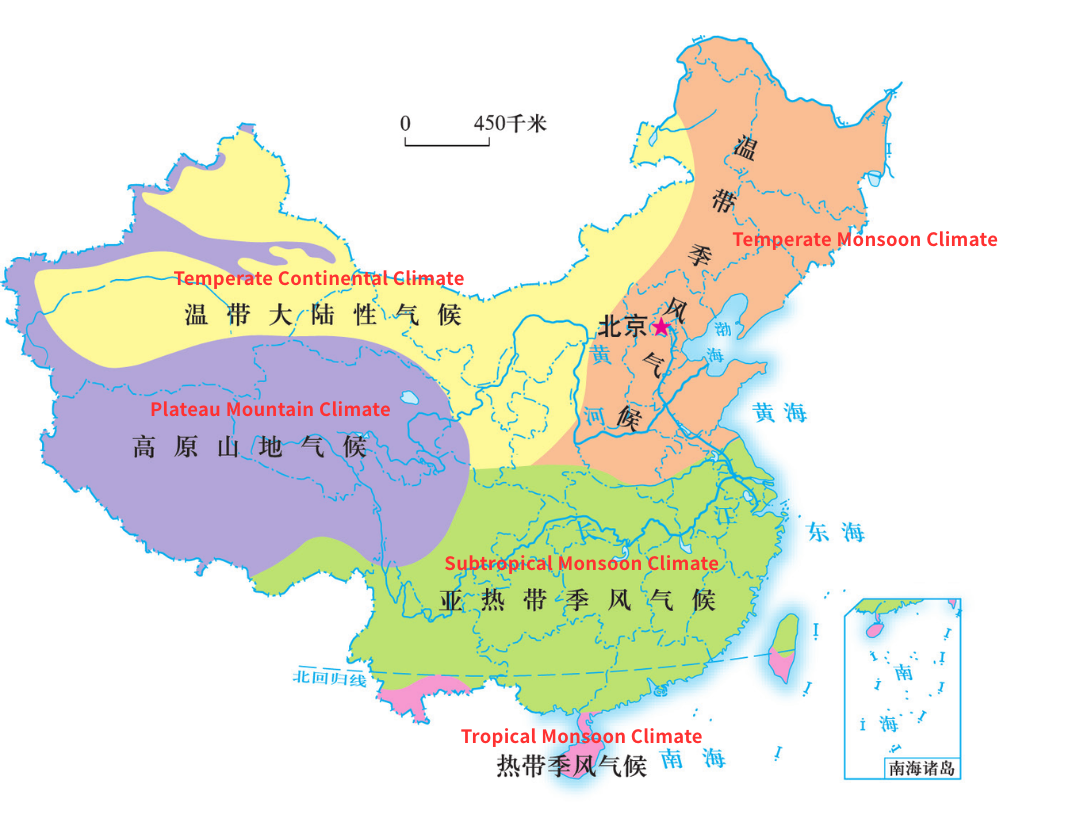
Temperate Monsoon Climate
**Distribution regions:**North China and Northeast China
Representative cities: Beijing, Tianjin, Qingdao, Dalian, Harbin, Xi’an
Climate characteristics:
- Distinct four seasons
- Cold and dry winters
- Hot and rainy summers
- Short but pleasant spring and autumn seasons
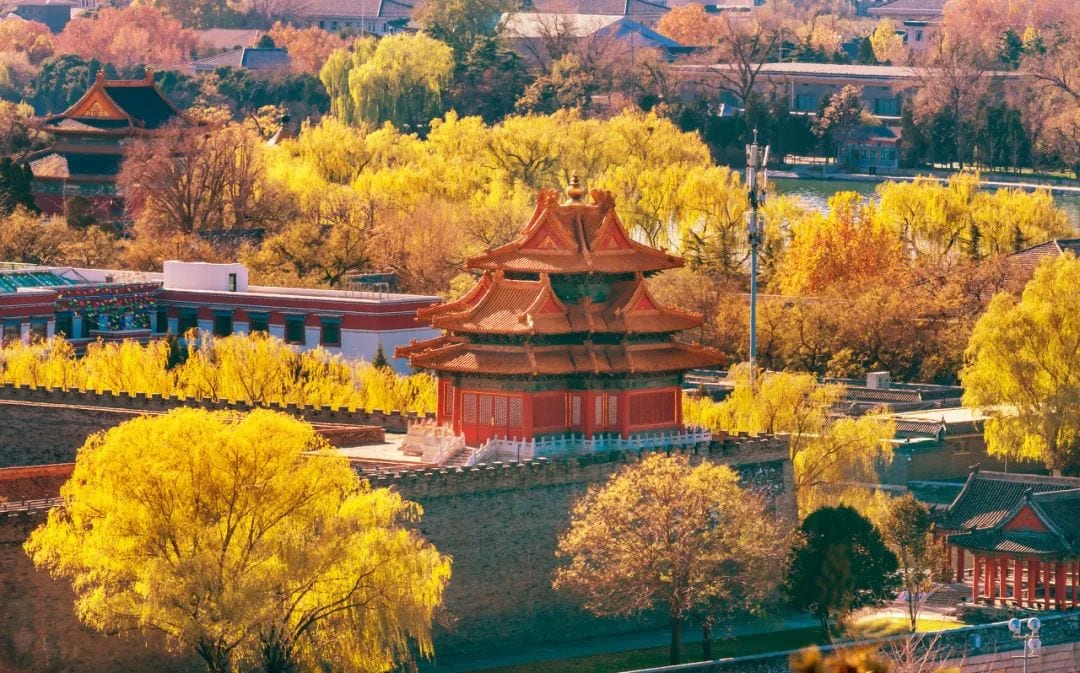
This region offers classic travel experiences such as the Forbidden City, the Great Wall, ancient capital culture, and ice and snow festivals. Spring and autumn are generally considered the best season for travel.
Subtropical Monsoon Climate
**Distribution regions:**Middle and Lower Yangtze River, most of East and South China
Representative cities: Shanghai, Hangzhou, Suzhou, Nanjing, Chengdu, Chongqing, Guangzhou, Shenzhen, Hong Kong
Climate characteristics:
- Abundant rainfall
- High humidity
- Hot and humid summers
- Damp and chilly winters
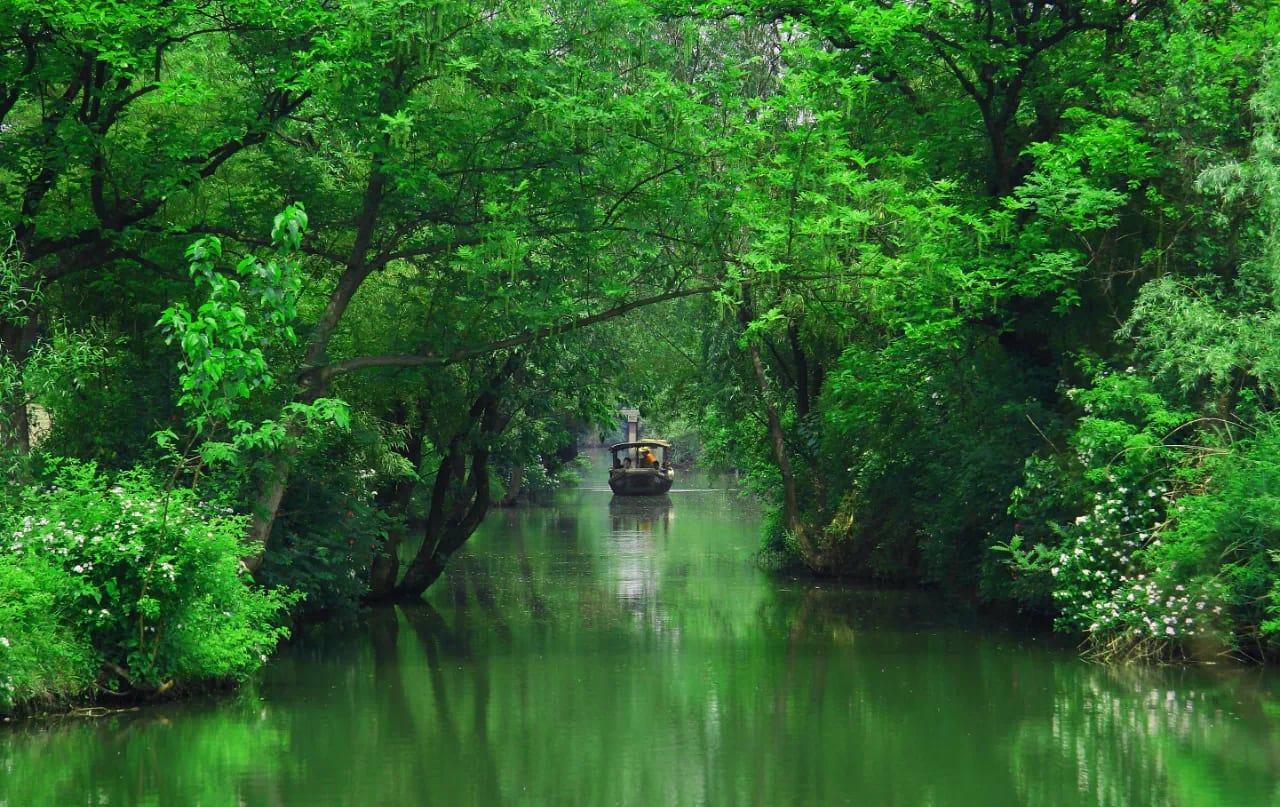
This region is home to China’s most modern city clusters, as well as iconic Jiangnan scenery, diverse cuisine, and vibrant nightlife. Spring and autumn are the most suitable seasons for travel.
Tropical Monsoon Climate
**Distribution regions:**Hainan and parts of the South China coastal areas
Representative cities: Sanya, Haikou
Climate characteristics:
- Warm throughout the year
- Relatively hot even in winter
- High annual rainfall
- Distinct typhoon season
This is China’s most typical tropical island resort region. It is especially popular in winter and is ideal for beach vacations and winter sun escapes.

Continental Climate
**Distribution regions:**Northwest China
Representative cities: Urumqi, Dunhuang, Kashgar, Turpan
Climate characteristics:
- Dry with little rainfall
- Large temperature differences between day and night
- Strong sunshine
- Distinctly cold winters and hot summers
This region features some of the most spectacular deserts, highways, and Silk Road landscapes in China, making it ideal for photography, road trips, and nature-based travel. The best time to visit is spring (April–June) and autumn (September–October), when the weather is relatively mild and suitable for outdoor activities.

Plateau and Mountain Climate
**Distribution regions:**Tibetan Plateau
Representative cities: Lhasa, Nyingchi, Shangri-La
Climate characteristics:
- High altitude
- Thin air (low oxygen levels)
- Large diurnal temperature variation
- Strong ultraviolet radiation
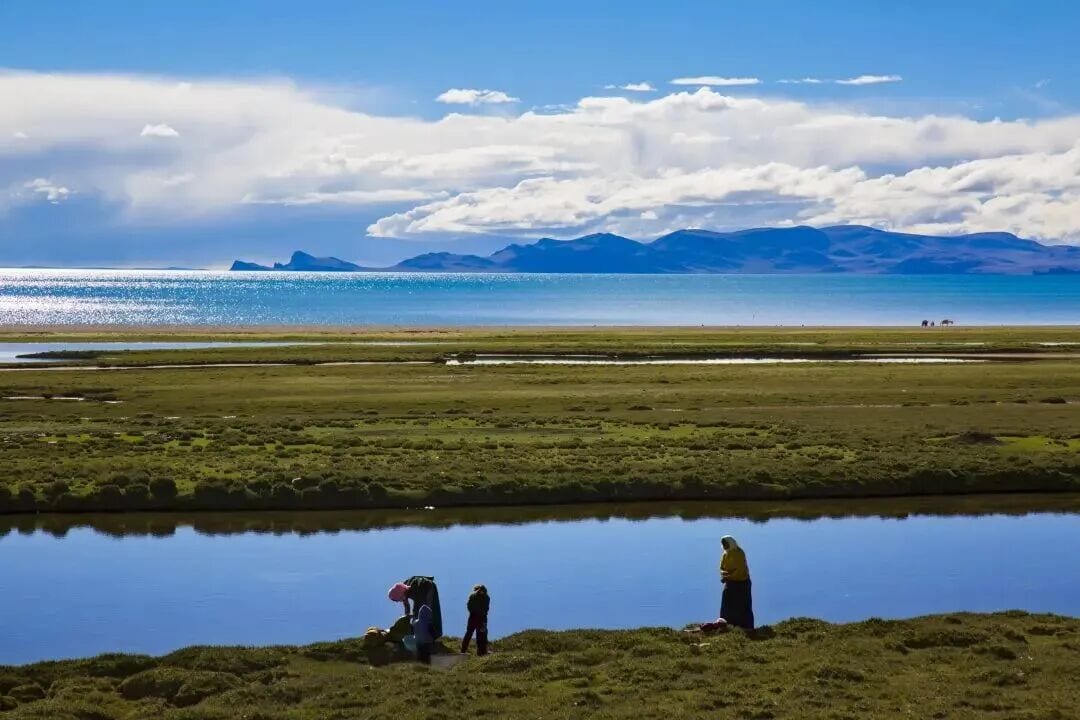
This region is home to some of China’s most breathtaking snow mountains, highland scenery, and religious cultural landscapes. However, it requires good physical adaptation. Summer is generally the best season for high-altitude travel.
Overall, when is the best time to visit China?
For most international travelers, spring (March to May) and autumn (September to November) are generally the most recommended times to visit China. During these two seasons, temperatures are comfortable overall, air quality is relatively better, and extreme weather conditions are less common. Whether you are exploring cities, enjoying natural scenery, or planning long outdoor trips, the experience is usually much more pleasant and relaxed.
Best Places to Visit in China Each Season
Spring (March–May)
Recommended destinations: Hangzhou, Wuhan, Luoyang, Shanghai
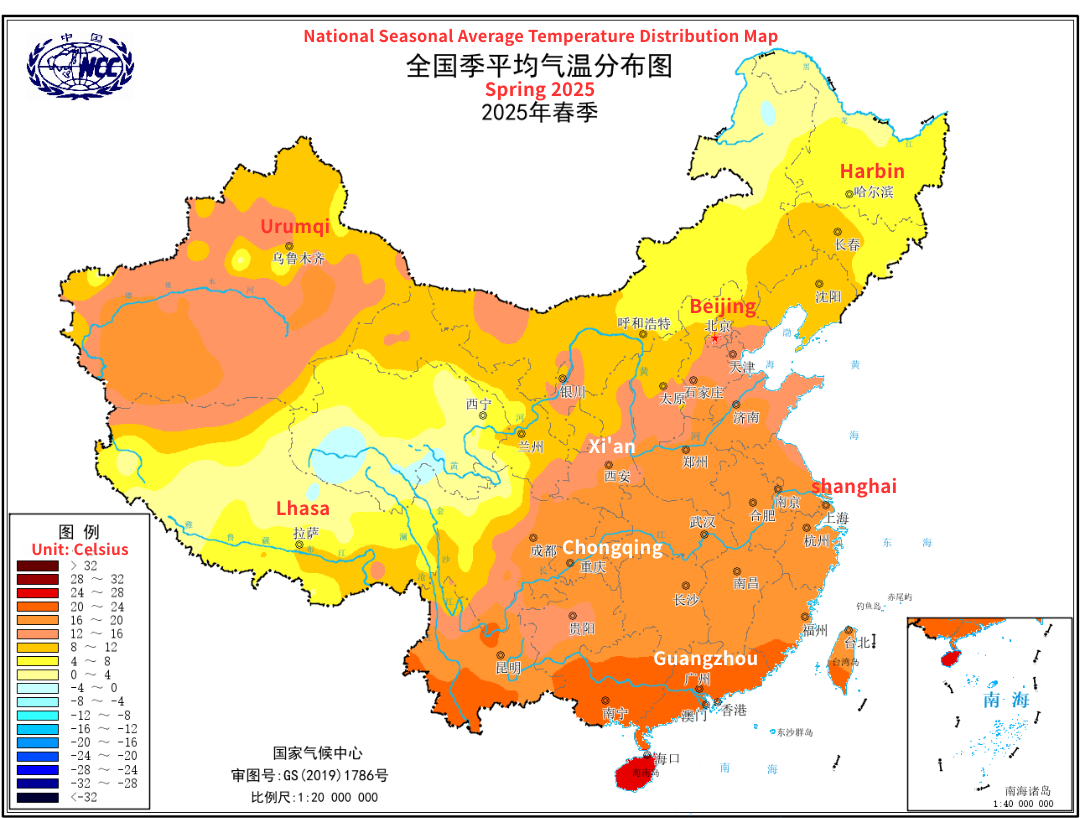
Spring is one of the most pleasant seasons to travel in China. During this time, cities are filled with cherry blossoms, flower festivals, and fresh greenery, while temperatures remain mild and comfortable. It is especially the best season to experience the classic scenery of the Jiangnan region, making it ideal for walking tours, gardens, and outdoor sightseeing.
Summer (June–August)
Recommended destinations: Lhasa, Qingdao, Kunming, Harbin
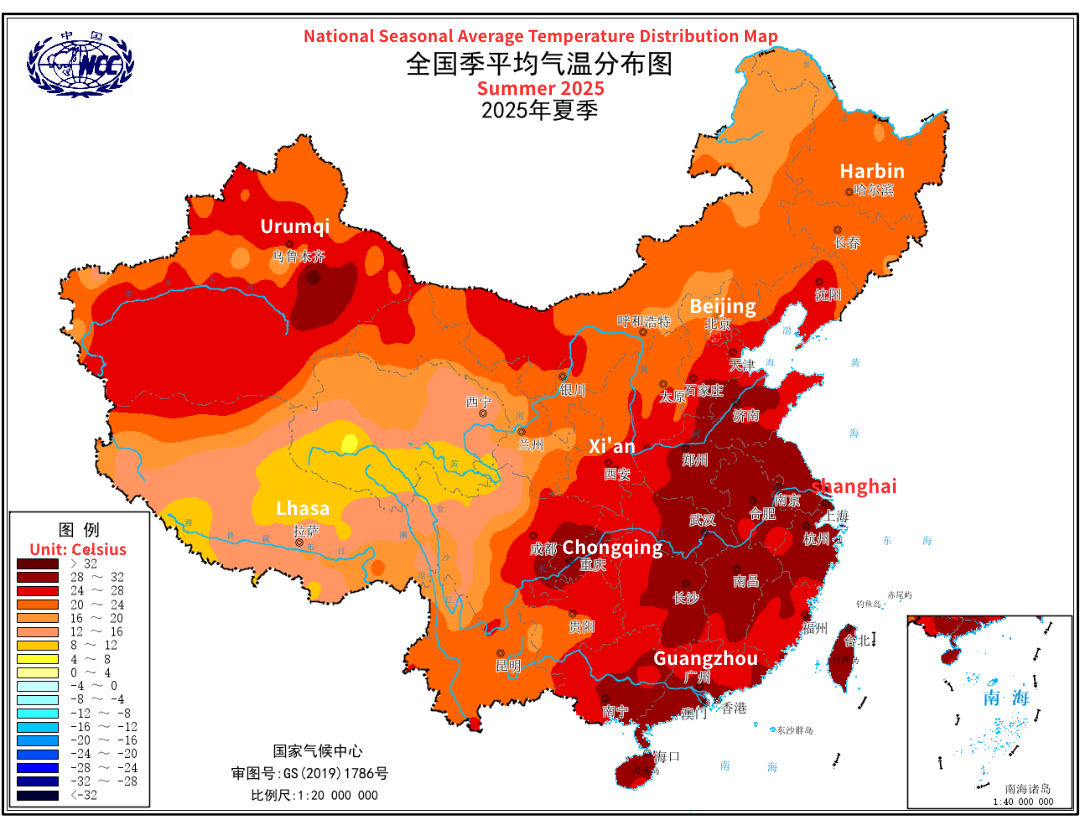
Summer is the best time to visit China’s cooler regions, including highland, coastal, and northern destinations. Travelers can enjoy refreshing weather, beautiful grasslands, mountain scenery, and plateau landscapes while escaping the intense summer heat found in most major Chinese cities. However, visitors should note that much of China can still be extremely hot and humid during this season.
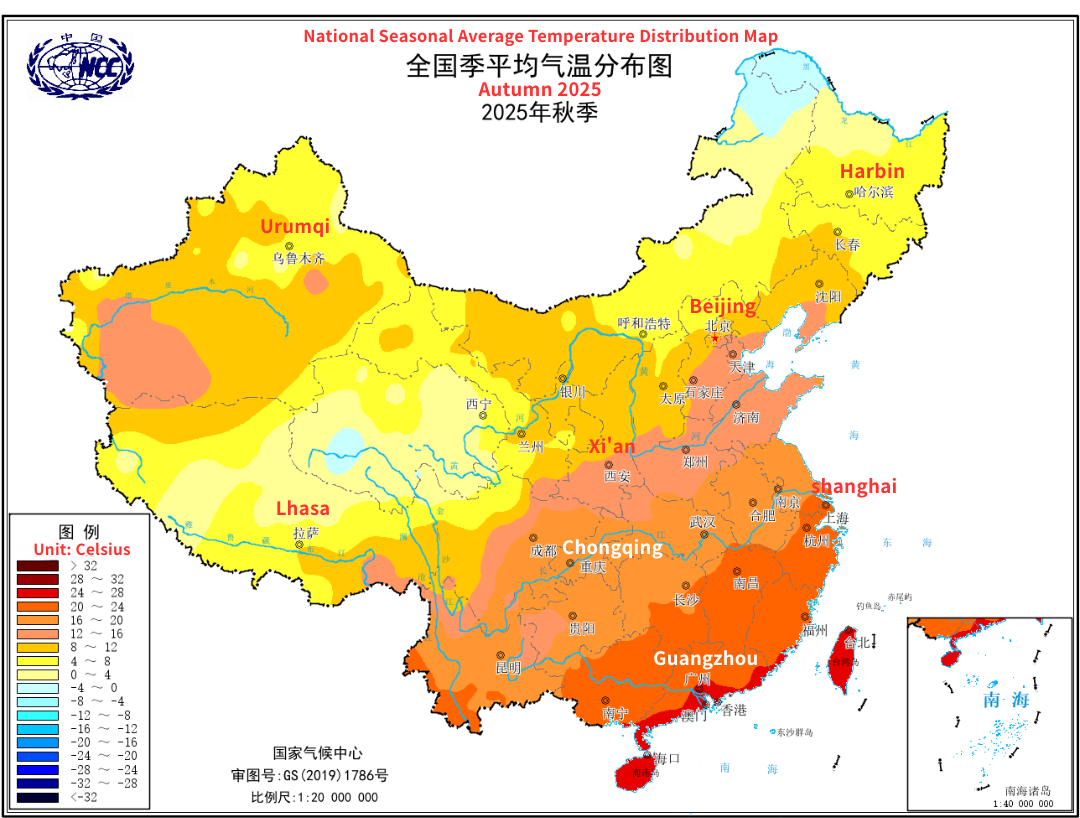
Autumn (September–November)
Recommended destinations: Beijing, Xi’an, Zhangjiajie, Jiuzhaigou
Autumn is widely considered the best overall season to visit China thanks to its cool, dry weather and spectacular fall scenery. Forests, mountains, and historical sites become especially beautiful during this time, making it perfect for photography, hiking, and outdoor travel. It is also the ideal season for a classic first-time travel route across China.
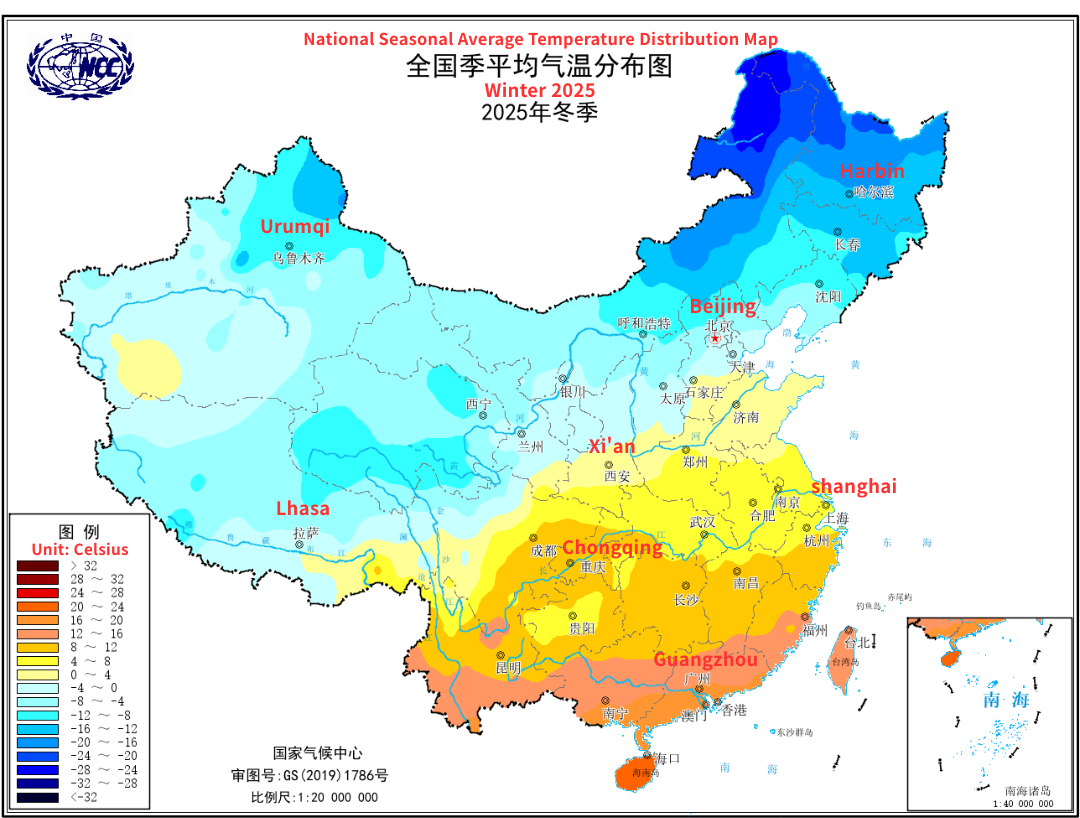
Winter (December–February)
Recommended destinations: Harbin, Sanya, Chengdu
Winter travel in China can be surprisingly rewarding if travelers choose the right destinations. Harbin offers famous snow scenery and ice festivals, while Sanya provides warm tropical beaches for those looking to escape the cold. Chengdu is also popular for its relaxed atmosphere and relatively mild winter climate. In addition, winter generally sees fewer international tourists, creating a quieter and more comfortable travel experience in many destinations.
Least Recommended Times to Visit China
Spring Festival (Chinese New Year)
Time: Late January – Mid February
This is the most important traditional festival in China, and also the largest human migration period of the year (known as Chunyun). During this time, transportation networks and major tourist cities become extremely crowded. Train tickets and flights are often difficult to secure, and many restaurants, shops, and even some attractions may be closed.
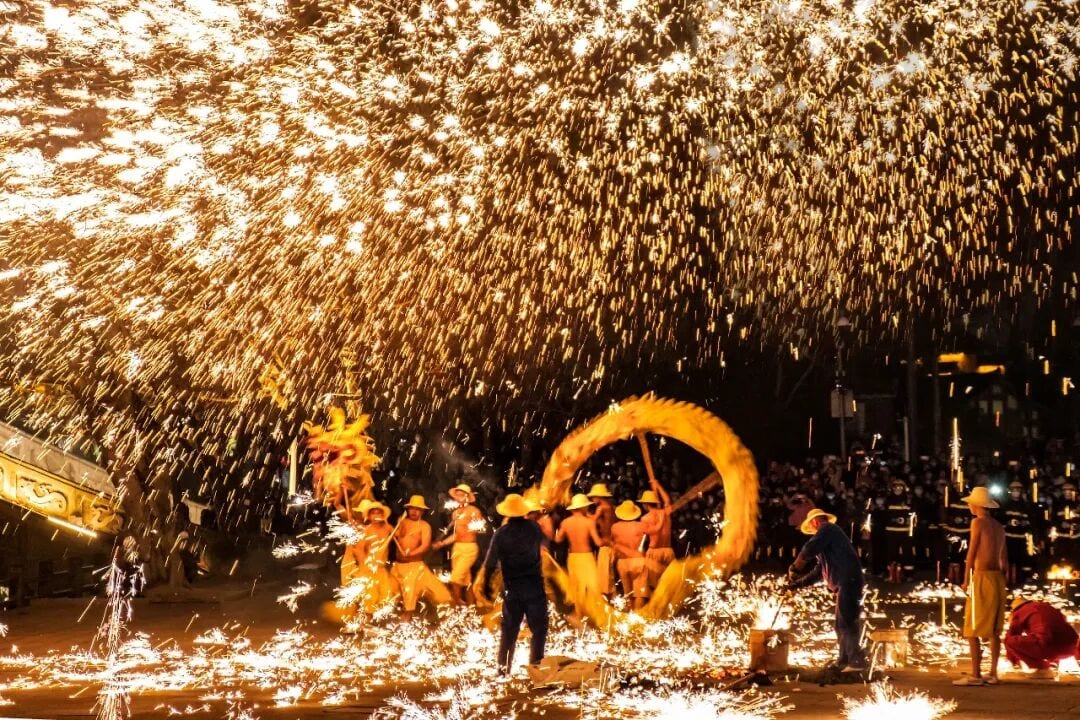
Labor Day Holiday
Time: Around May 1 (5 days)
This is one of the busiest short holiday travel peaks in spring. A large number of domestic travelers take trips at the same time. Popular cities, scenic spots, and trending destinations are usually very crowded, hotel prices rise significantly, and waiting times for attractions can be long.
Dragon Boat Festival
Time: Usually in early to mid-June (3 days)
This holiday mainly involves short-distance and family trips. Tourist spots around major cities and popular “hidden gem” destinations often experience a noticeable increase in visitor numbers. Highways and train services can also become busy during peak travel periods.
Mid-Autumn Festival
Time: Usually in September or early October (3 days)
This is a typical holiday for family reunions and short trips. Many people choose to visit nearby cities or natural scenic areas, so popular routes and attractions become noticeably crowded during the holiday. Accommodation prices also tend to rise temporarily.
National Day Golden Week
Time: October 1 – October 7
This is the busiest travel peak of the entire year in China, with nationwide mass tourism. Almost all major attractions become extremely crowded. High-speed rail tickets, flights, and hotel prices increase significantly, and waiting times at popular sites can last for hours.
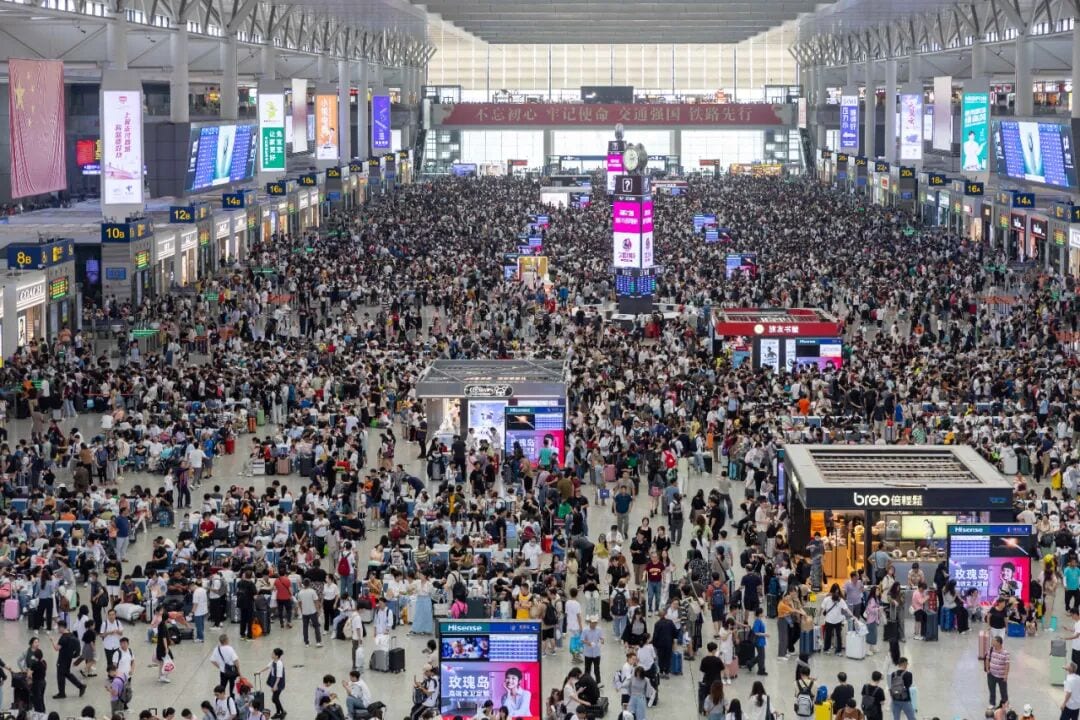
Summer Vacation
Time: July – August
This is a nationwide travel peak driven by school holidays and family trips. Popular scenic spots, theme parks, and coastal cities see a sharp increase in visitors. In addition, high summer temperatures across most regions can make outdoor travel less comfortable.