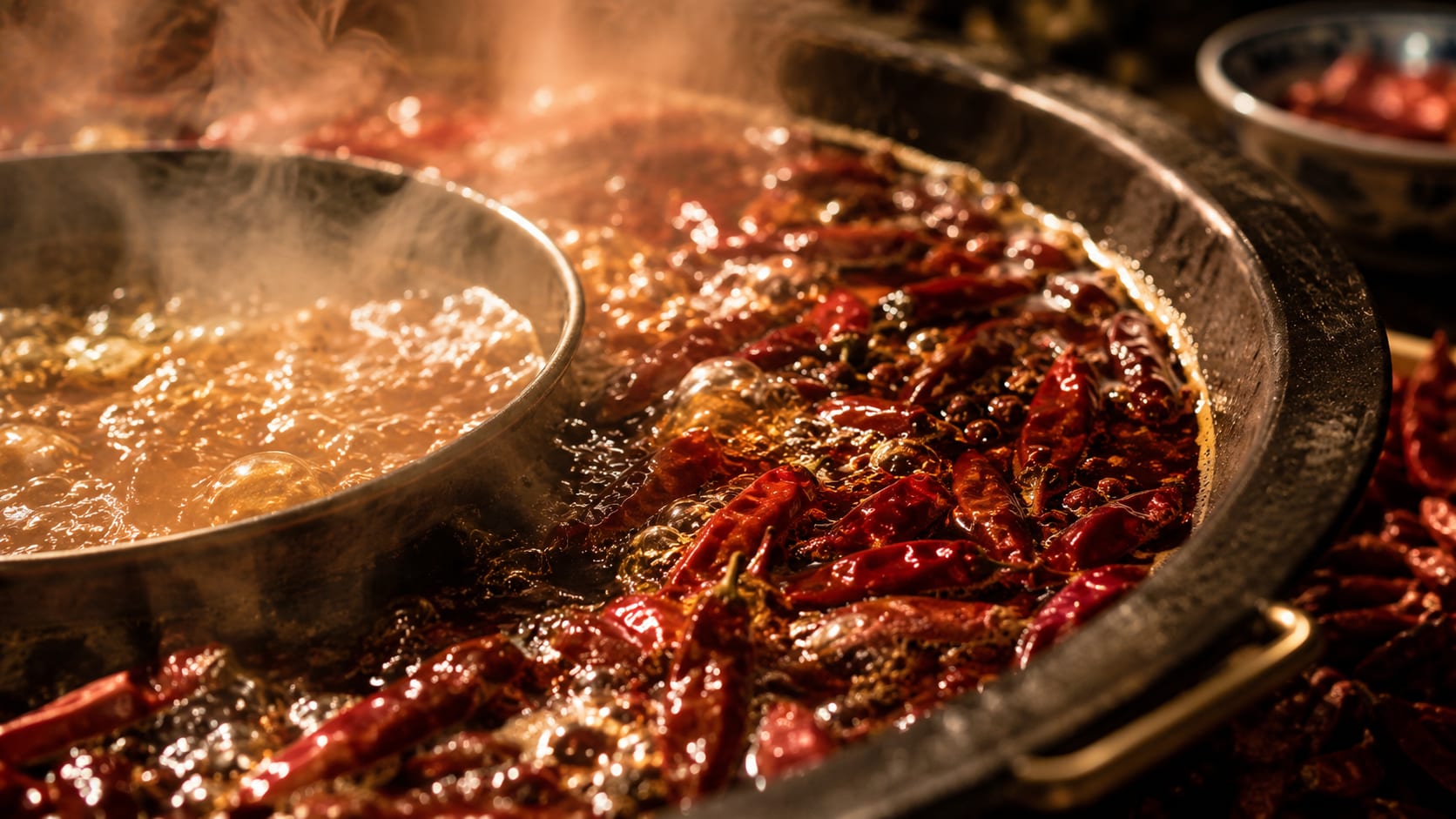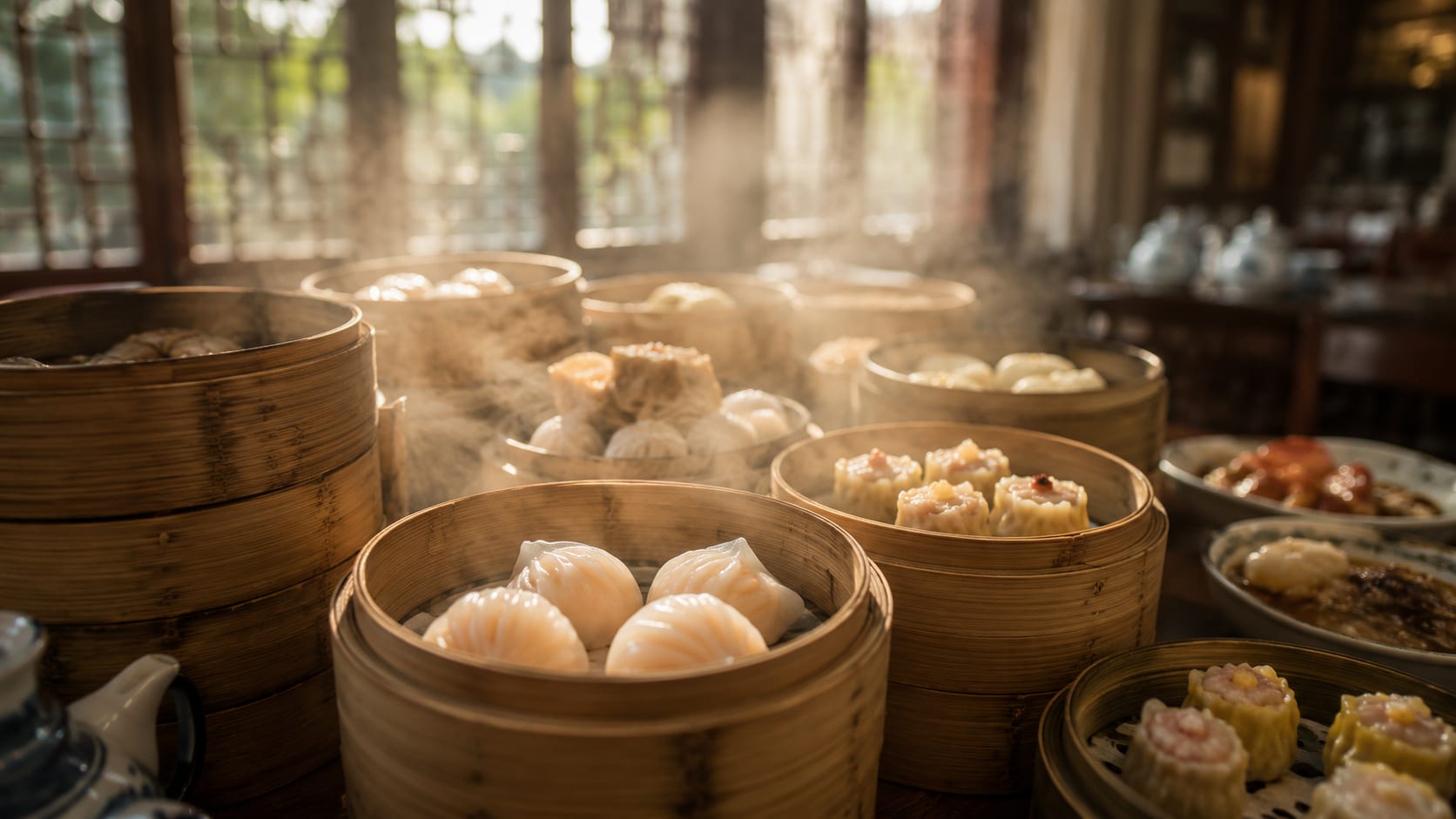
In Part 1, we explored some of China’s most iconic food destinations, from the spicy hotpot capitals of Chengdu and Chongqing to the noodle-filled streets of Xi’an and Lanzhou.
In this second part, we’ll continue the journey by discovering a different side of Chinese cuisine—refined Jiangnan dishes, Cantonese dim sum culture, lively street food scenes, and the distinctive regional flavors found in places like Xinjiang and Yunnan.
Quick Guide: Where Should You Eat in China?
Not sure where to start? Here’s a quick breakdown of China’s major food cities based on flavor and travel style.
| Flavor Type | Cities | Signature Experience |
|---|---|---|
| 🌶️ Mala (Spicy Hotpot) | Chengdu, Chongqing | Hotpot, mala skewers, bold spice |
| 🔥 Dry Spicy | Changsha | Hunan chili dishes, night markets |
| 🍋 Sour & Spicy | Guiyang | Fermented sour soup, unique acidity |
| 🥢 Chaoshan Fresh Umami | Shantou, Chaozhou | Beef hotpot, raw seafood, pure freshness |
| 🐟 Seafood Umami | Xiamen | Light Fujian seafood, street snacks |
| 🧧 Cantonese Fresh Cuisine | Shunde | Ingredient-focused cooking, refined flavors |
| 🍜 Noodle & Carb Paradise | Xi’an, Lanzhou | Hand-pulled noodles, wheat-based staples |
| 🍯 Jiangnan Sweet & Elegant | Shanghai | Sweet-savory dishes, refined presentation |
| 🥟 Dim Sum & Tea Culture | Guangzhou, Hong Kong | Dim sum, morning tea culture |
| 🍢 Night Snack Culture | Wuhan, Zibo | Street food, BBQ, late-night eating |
| 🥩 Xinjiang Spice Cuisine | Kashgar | Lamb skewers, cumin, Central Asian influence |
| 🍄 Yunnan Mountain Cuisine | Dali | Mushrooms, herbs, mountain ingredients |
🍮 Delicate & Slightly Sweet Cuisine
Compared with the bold and spicy flavors found in western and southern China, the cuisines of the Jiangnan region and the Pearl River Delta tend to be more refined, delicate, and balanced.
Rather than focusing on intense flavors, these dishes emphasize freshness, subtle sweetness, elegant presentation, and attention to detail. For many first-time visitors to China, this style of cuisine is often the easiest to appreciate.
Shanghai: Refined Flavors of the Jiangnan Region
**Representative Cities: **Shanghai
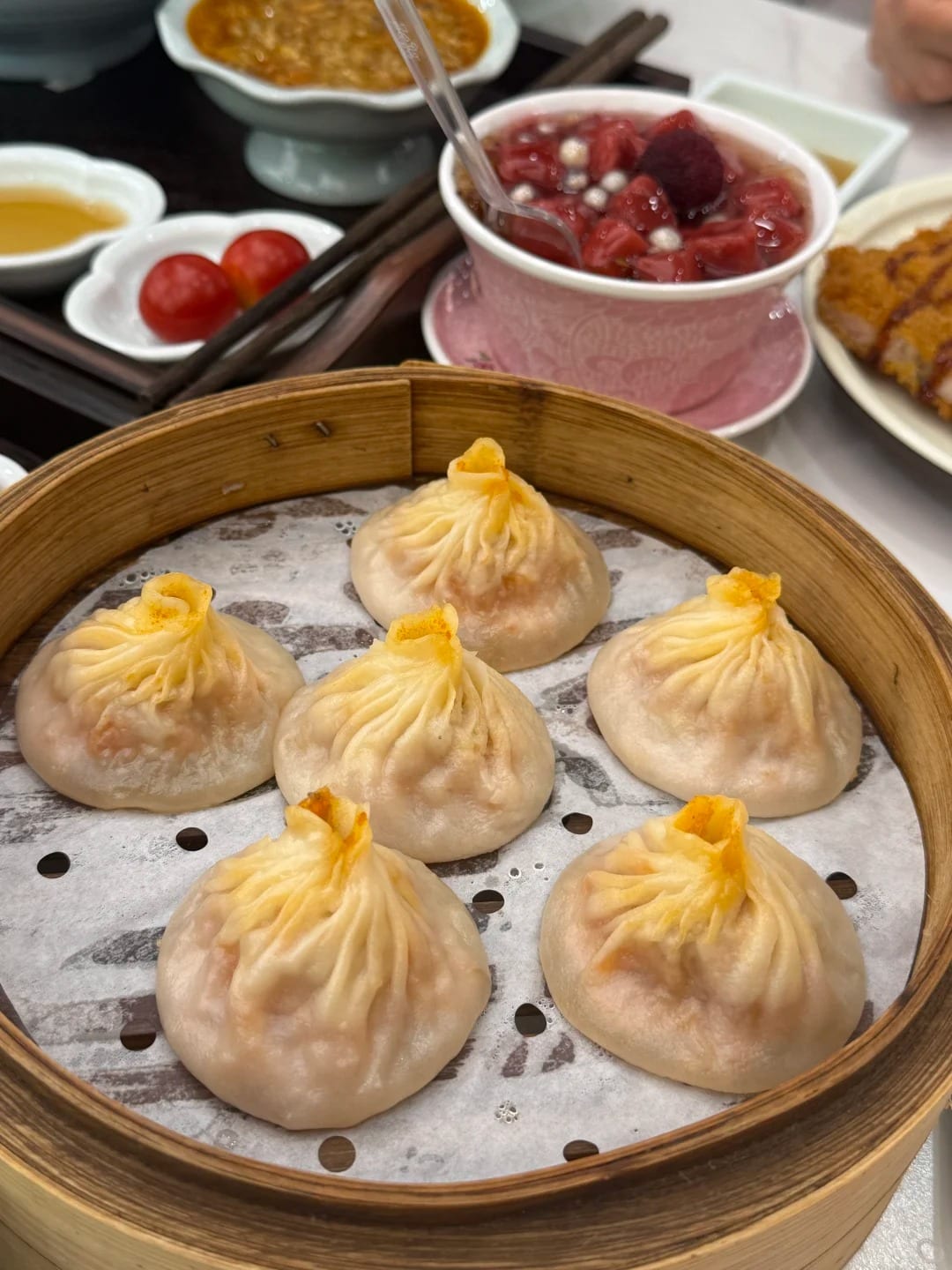
**Flavor Profile: **Jiangnan cuisine is known for its subtle sweetness and delicate balance of flavors. Soy sauce, sugar, and rice wine are often used to create depth, while presentation and craftsmanship remain essential parts of the dining experience.
Signature Dishes:
- Xiaolongbao (Soup Dumplings)
- Red-Braised Pork
- Squirrel-Shaped Mandarin Fish
- Osmanthus Lotus Root
**Why Visit: **Shanghai offers one of China’s most sophisticated dining scenes. Here, centuries-old culinary traditions coexist with modern restaurants, creative fusion cuisine, and world-class dining experiences, making it an ideal destination for travelers who appreciate refined food culture.
Dim Sum & Tea Culture
Guangzhou & Hong Kong: The Twin Capitals of Cantonese Dim Sum
**Representative Cities: **Guangzhou, Hong Kong
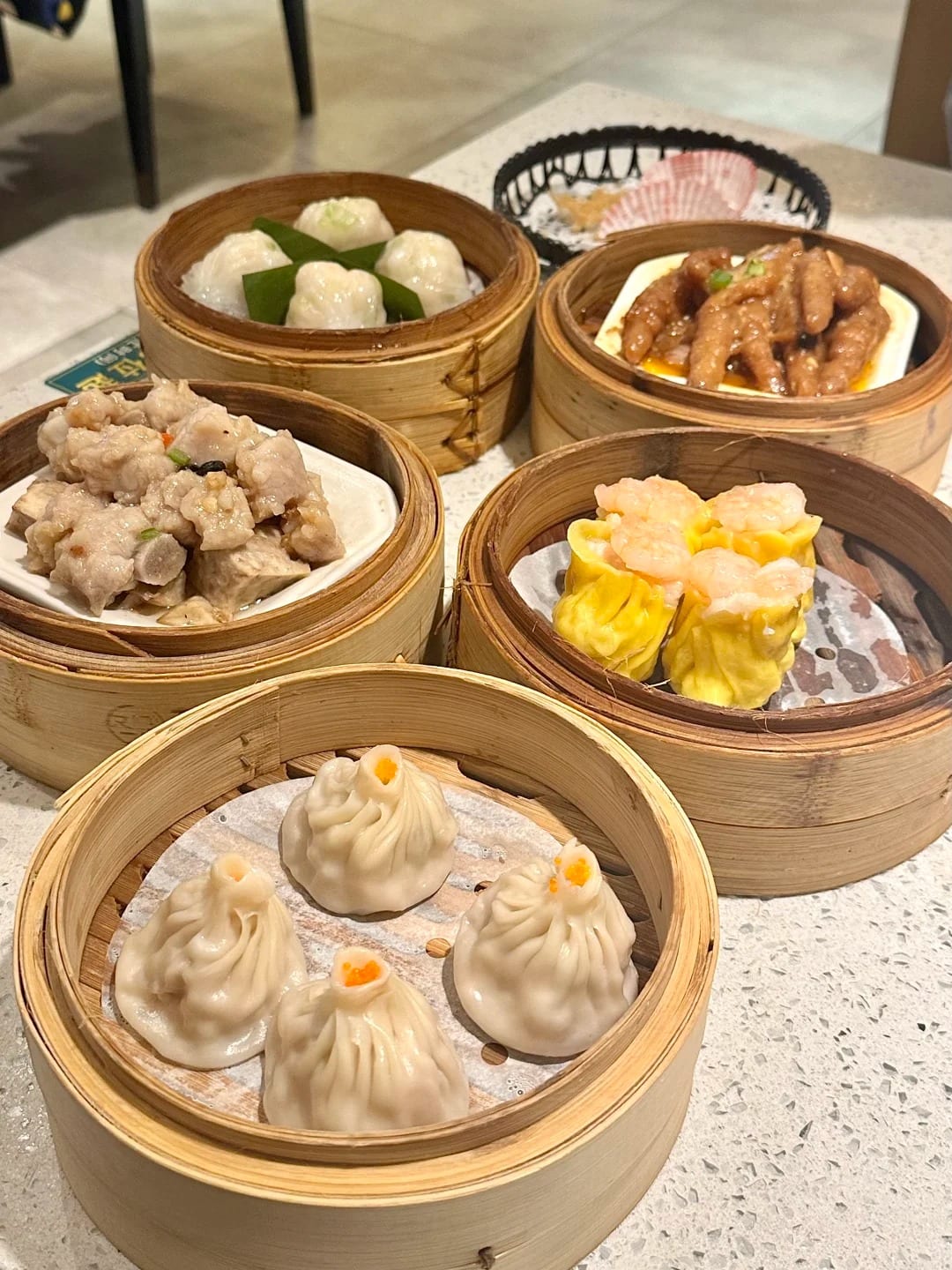
**Flavor Profile: **Cantonese dim sum emphasizes fresh ingredients, delicate textures, and careful craftsmanship. The flavors are generally light and balanced, allowing each ingredient to shine.
More importantly, dim sum is not simply a meal—it’s a social tradition built around gathering with family and friends over tea.
Signature Dishes:
- Har Gow (Shrimp Dumplings)
- Siu Mai
- Rice Noodle Rolls (Cheung Fun)
- Chicken Feet
- Lava Custard Buns
**Why Visit: **In Guangzhou and Hong Kong, enjoying dim sum is a way of life. Tea houses fill with locals from early morning, creating an atmosphere that blends food, conversation, and community. For visitors, it is one of the best ways to experience Cantonese culture firsthand.
🍢 Street Food & Nightlife Cuisine
Some of China’s most memorable food experiences don’t happen in restaurants—they happen after dark.
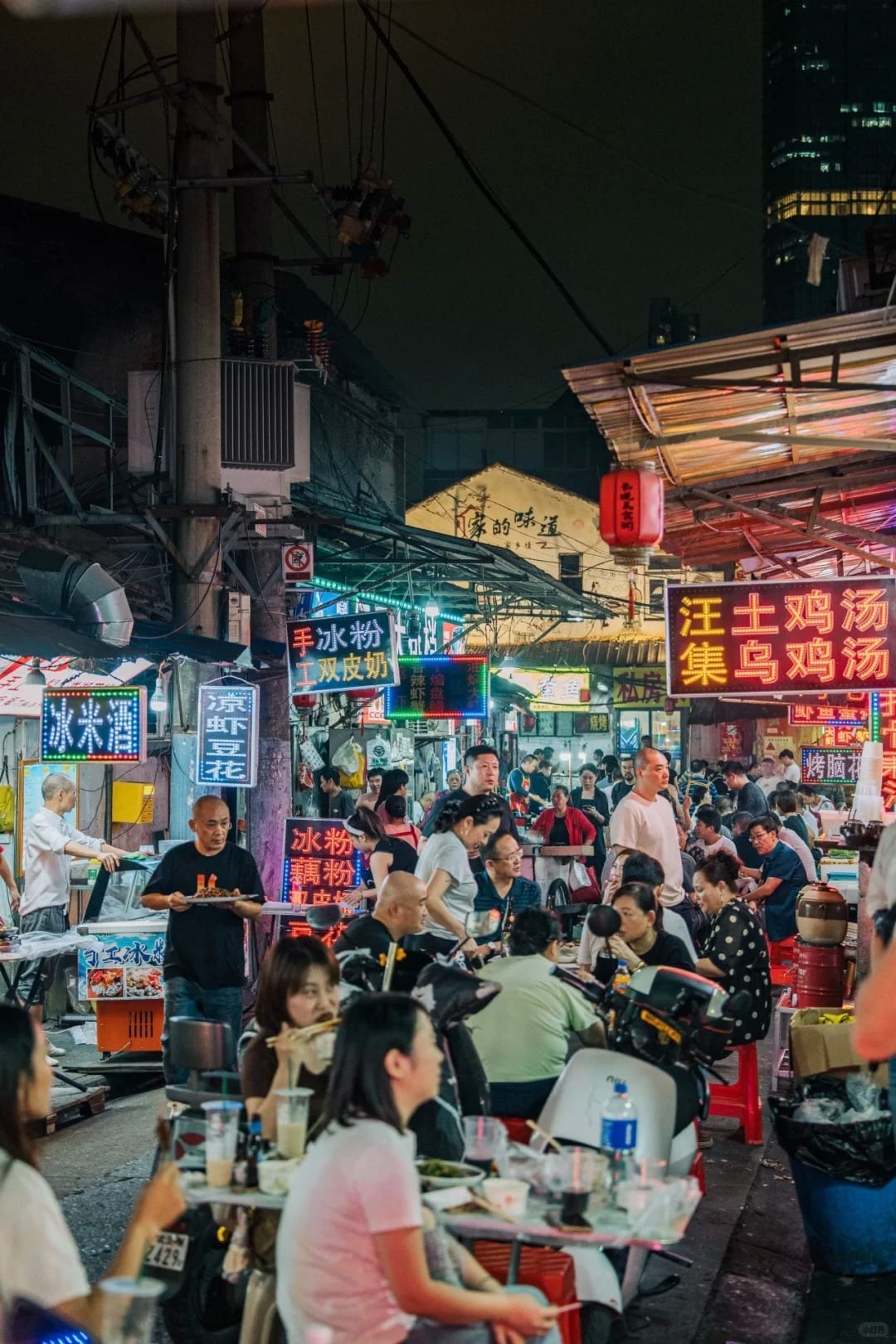
As the sun goes down, streets fill with the sounds of sizzling grills, crowded food stalls, and groups of friends gathering for late-night meals. In many Chinese cities, night food culture is just as important as breakfast or dinner.
If you want to experience the energy, atmosphere, and everyday life of China, there’s no better place to start than its night markets and street food streets.
Chinese BBQ Culture
Zibo: China’s Most Famous BBQ City
**Representative City: **Zibo
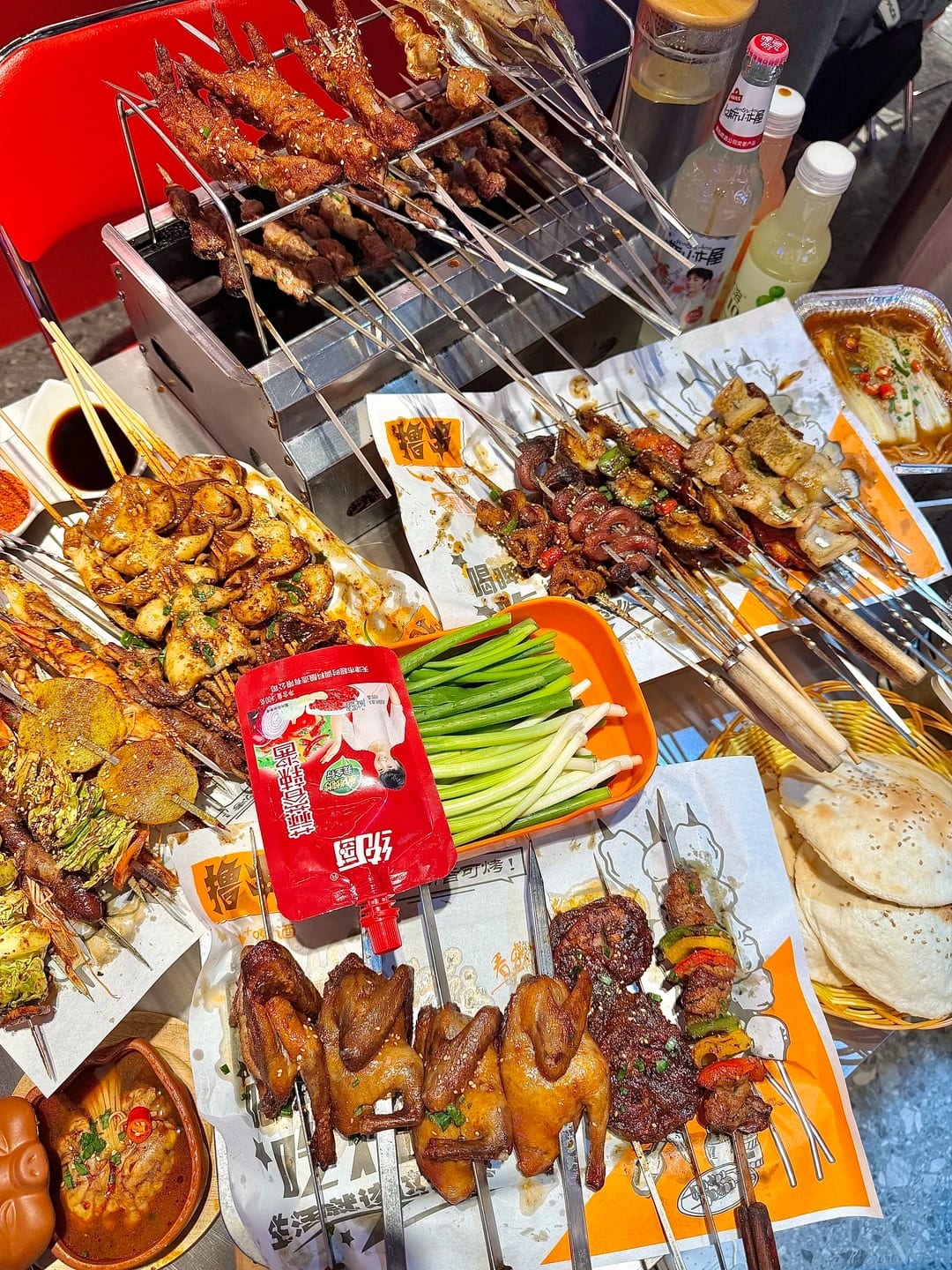
**Flavor Profile: **Zibo-style barbecue is typically cooked over charcoal and served with small flatbreads, scallions, and dipping sauces. Diners wrap grilled meat in the flatbread and customize each bite, creating a fun and highly social dining experience.
Signature Dishes:
- Zibo Barbecue
- Flatbread-Wrapped Grilled Meat
**Why Visit: **Zibo rose to national fame in recent years thanks to its unique barbecue culture. What makes it special isn’t just the food, but the atmosphere—groups of friends gathering around small grills, sharing food, drinks, and conversation late into the night. For many visitors, it’s the perfect introduction to China’s vibrant street food scene.
Night Market & Late-Night Food Culture
Wuhan: A City That Never Stops Eating
**Representative City: **Wuhan
**Flavor Profile: **Wuhan cuisine is known for its bold flavors, generous portions, and comforting dishes. Located between northern and southern China, the city combines influences from both regions to create a food culture that is uniquely its own.
Signature Dishes:
- Hot Dry Noodles
- Crayfish
- Barbecue
**Why Visit: **Wuhan is one of China’s great late-night food cities. From bustling roadside food stalls to lively night markets and all-night restaurants, the city comes alive after dark. Whether you’re enjoying a bowl of noodles at sunrise or sharing crayfish with friends at midnight, Wuhan offers an authentic glimpse into China’s love of night dining.
🥩 Ethnic & Regional Flavors
Beyond China’s famous regional cuisines lies another world of flavors shaped by geography, history, and ethnic diversity.
From the spice-filled markets of Xinjiang to the mountains of Yunnan, these regions offer food experiences that feel completely different from those found in eastern China.
For travelers looking to explore China’s cultural diversity through food, these destinations are among the most rewarding.
Xinjiang Spice Cuisine
Kashgar: China’s Gateway to Central Asian Flavors
**Representative City: **Kashgar
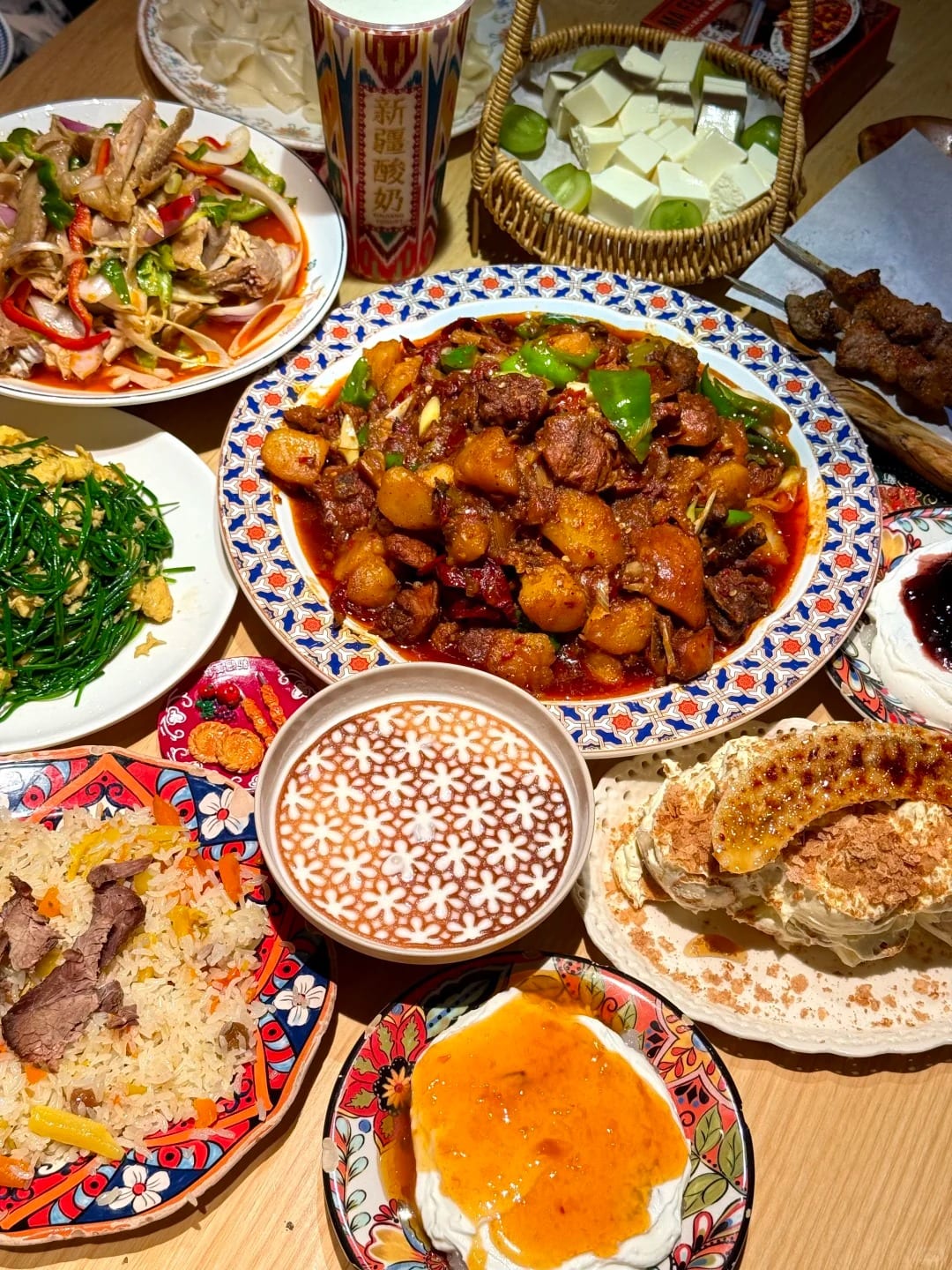
**Flavor Profile: **Xinjiang cuisine makes generous use of cumin, chili, and charcoal grilling. Lamb and beef play a central role, while the region’s location along the ancient Silk Road has introduced strong Central Asian influences into its food culture.
Signature Dishes:
- Lamb Skewers
- Polo (Xinjiang Pilaf)
- Big Plate Chicken
**Why Visit: **Kashgar’s food culture feels remarkably different from that of eastern China. From spice markets and traditional bakeries to bustling night bazaars, the city offers a fascinating blend of Chinese, Central Asian, and Silk Road culinary traditions.
Yunnan Mountain Cuisine
Dali: A Land of Mushrooms and Mountain Flavors
**Representative Cities: **Dali, Kunming
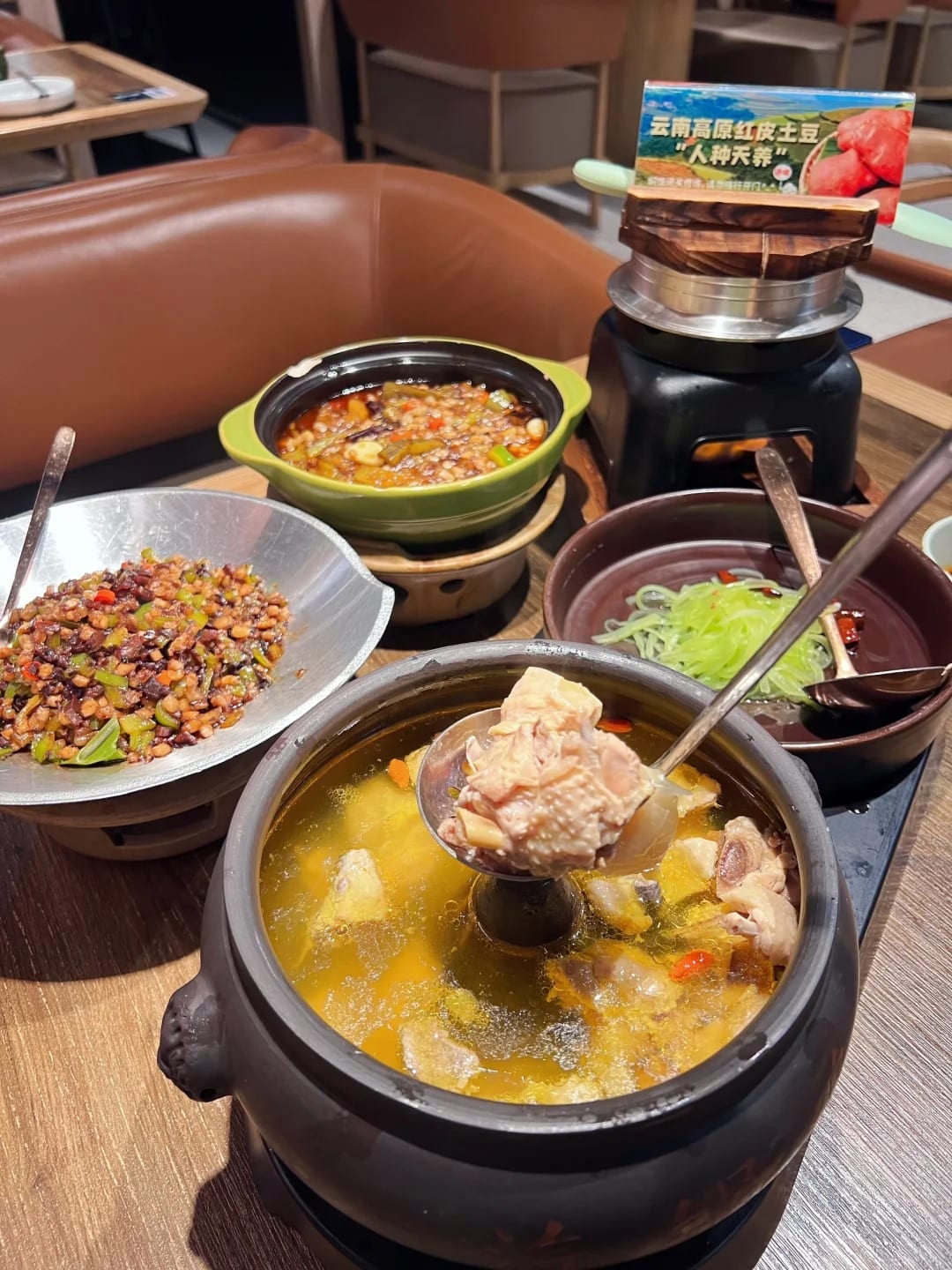
**Flavor Profile: **Yunnan cuisine is celebrated for its incredible variety of wild mushrooms, herbs, edible flowers, and mountain ingredients. The flavors are often fresh, natural, and deeply connected to the region’s diverse landscapes and ethnic cultures.
Signature Dishes:
- Wild Mushroom Hotpot
- Crossing-the-Bridge Noodles
- Steam Pot Chicken
**Why Visit: **Yunnan may have the most diverse range of ingredients anywhere in China. Its dramatic geography, varied climate zones, and rich ethnic heritage have created one of the country’s most distinctive food cultures. For adventurous food lovers, it is one of China’s most exciting culinary destinations.
Conclusion: What Kind of Food Traveler Are You?
China’s food culture is far too diverse to be summed up by a single cuisine or a single city.
Whether you’re drawn to the fiery heat of Chengdu and Chongqing, the freshness of Chaoshan seafood, the comforting noodles of Xi’an, the elegance of Cantonese dim sum, or the mountain flavors of Yunnan, every region offers a completely different way to experience China.
So instead of asking:
“What is the best Chinese food?”
A better question might be:
“Which Chinese flavor suits you best?”
Because in China, every taste leads to a different journey.
Frequently Asked Questions
We recommend starting with Chengdu or Guangzhou. Chengdu offers an unforgettable introduction to Sichuan’s mala flavors in a relaxed, friendly atmosphere. Guangzhou provides a gentler entry through dim sum and Cantonese cuisine, which tends to be more approachable for international palates.
In China, most restaurants offer vegetable-based dishes, and you can usually ask for your food to be prepared without any meat. However, if you are a strict vegetarian or vegan, it’s better to look for dedicated vegetarian restaurants. These are quite common in major cities, while smaller cities tend to have fewer options.
Yes, especially at busy stalls with high turnover. A good sign is a long line of locals, which usually indicates both quality and freshness. Avoid tap water and stick to bottled drinks. If you have a sensitive stomach, start with cooked foods and explore gradually
Sichuan food can be very spicy, but not all dishes are fiery. Many restaurants allow you to request less spice (微辣, wei la) or no spice at all (不辣, bu la). The numbing sensation from Sichuan peppercorns is a unique experience — many travelers find it surprisingly enjoyable even if they don’t normally eat spicy food.
Many restaurants in major tourist cities now have picture menus or English translations. Apps like Alipay have built-in menu translation features. You can also use Pleco or Google Translate to scan Chinese characters. Pointing at dishes on nearby tables is a universally understood gesture!