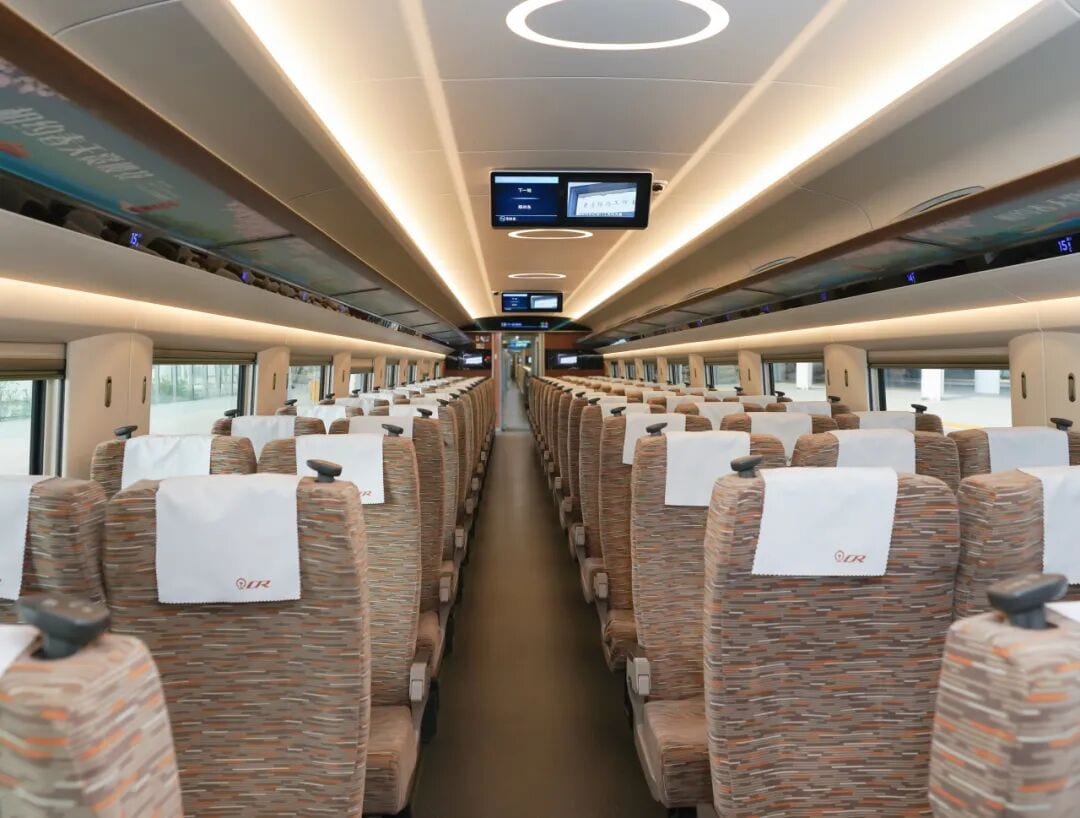
Is Second Class comfortable enough? What’s the real difference between Soft Sleeper and Hard Sleeper?
To help you avoid the confusion of choosing train seats, we’ve prepared this straightforward seat selection guide covering everything from high-speed rail to regular trains, so you can easily understand every class at a glance.
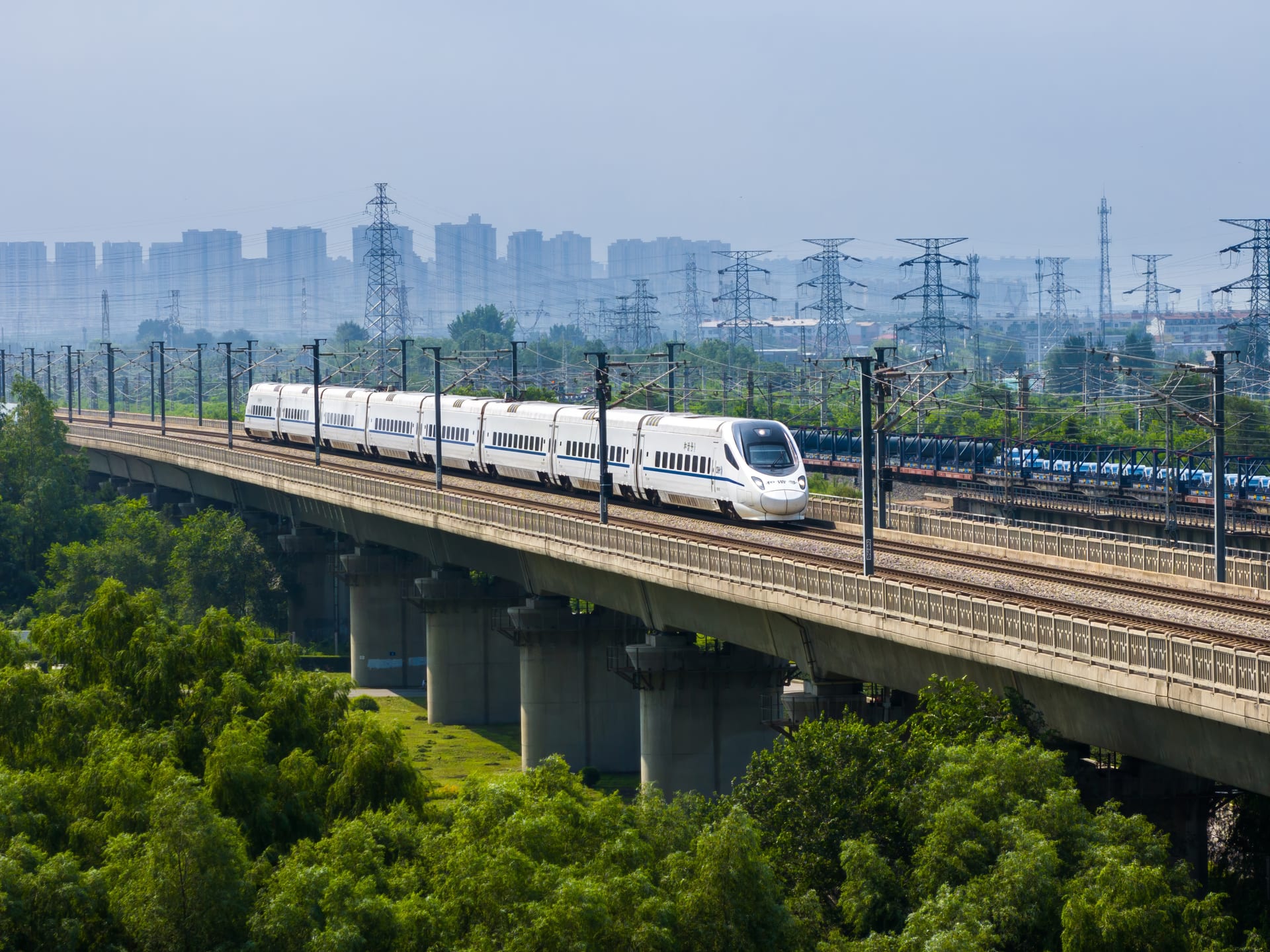
High-Speed Rail Trains (G / D / C Series)
- G-Series The fastest trains in China, with top speeds of up to 350 km/h. These trains mainly connect major cities and make fewer stops, making them ideal for travelers who prioritize shorter travel times.
- **D-Series ** Operating at speeds of around 250 km/h, D-series trains cover a wider range of routes and usually stop at more stations than G-series trains. Ticket prices are generally lower as well.
- **C-Series ** Intercity trains mainly operating between nearby major cities (such as Beijing–Tianjin). They run frequently and are designed for short-distance regional travel, similar to commuter rail services.
Seat Class Guide
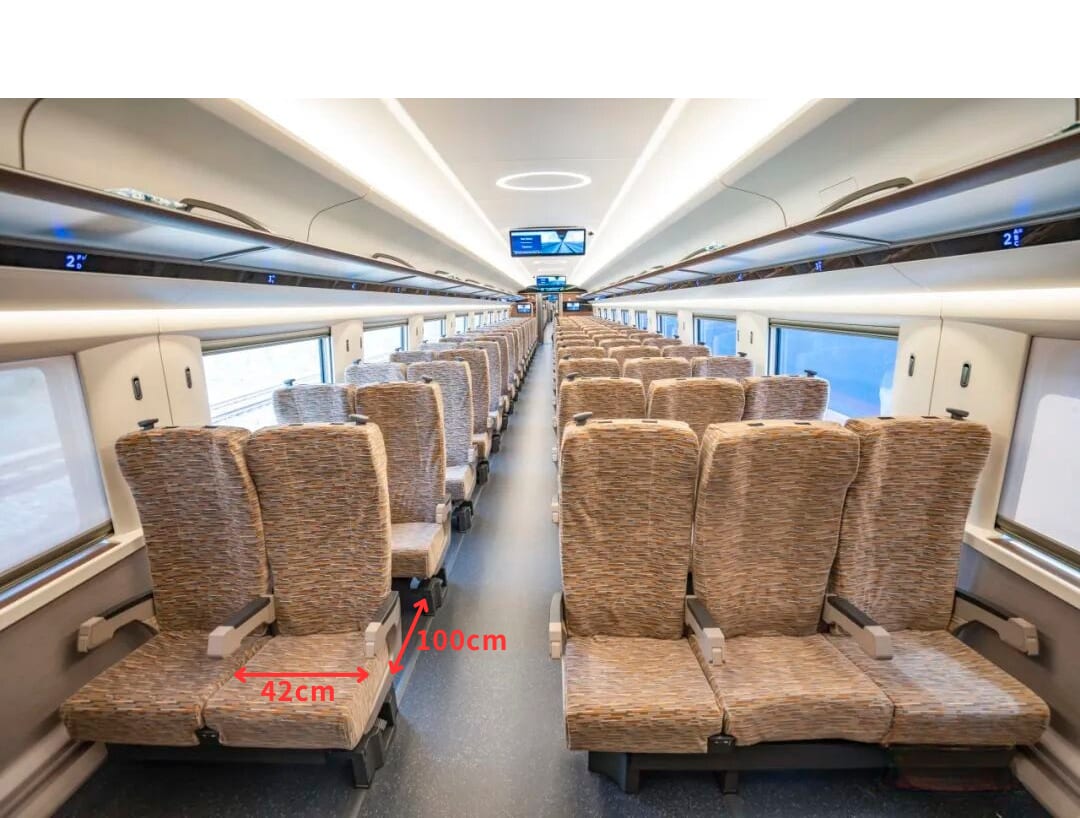
Second Class
- Layout: 3+2 seating arrangement
- Overview: The most economical option and the most common choice among passengers. Since seat width and personal space are relatively limited, it is generally more comfortable for trips under 5 hours.
- Best For: Budget travelers, families, and passengers taking shorter intercity trips.
First Class
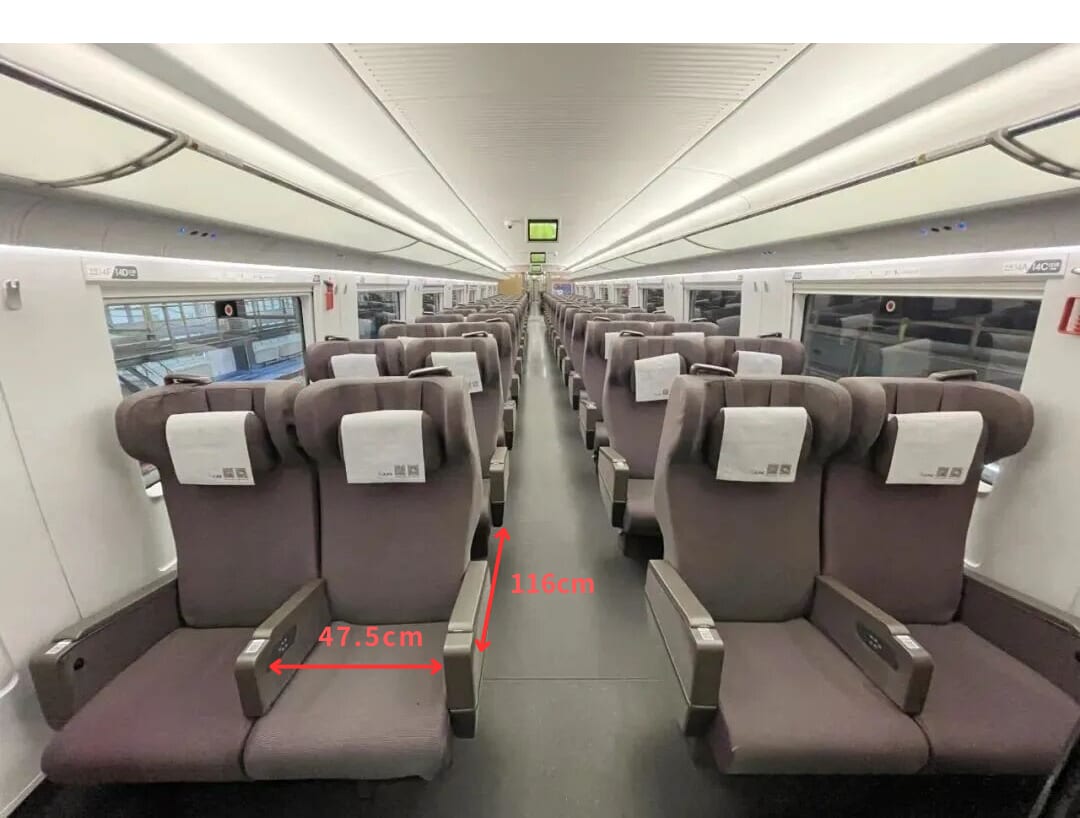
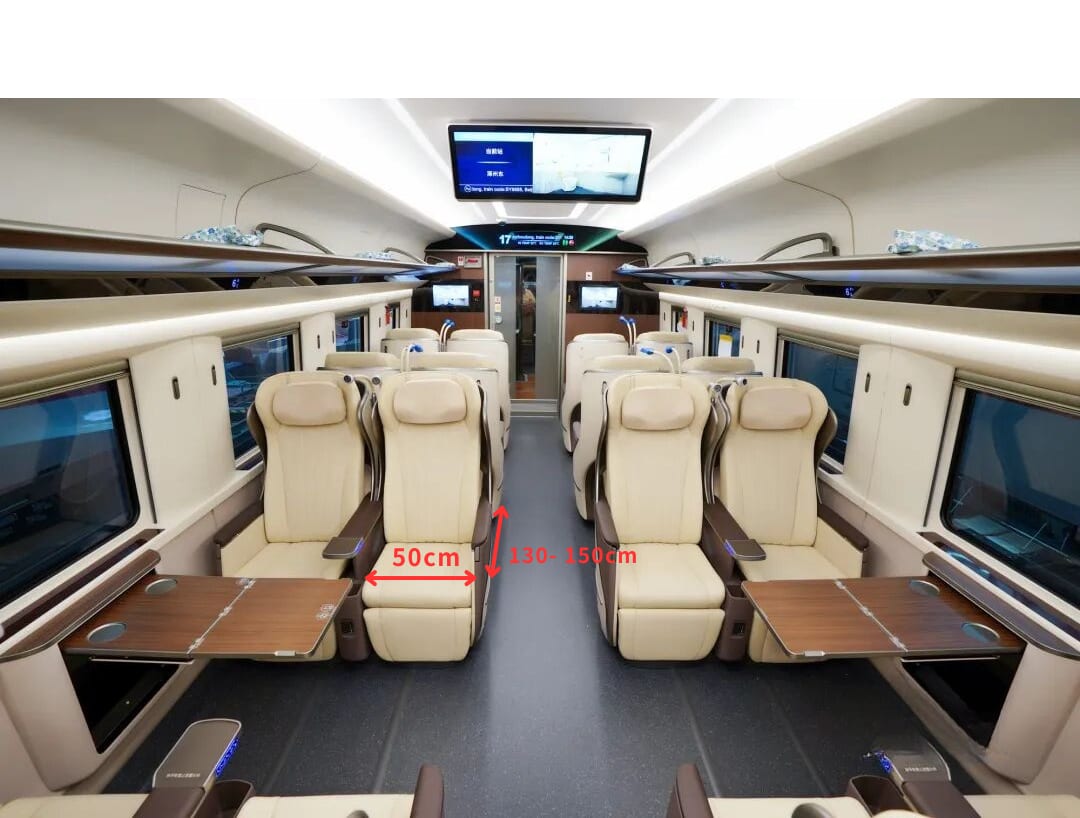
- Layout: 2+2 seating arrangement
- Overview: Seats and aisles are noticeably more spacious than in Second Class, with a quieter environment and fewer disturbances. Each seat is equipped with its own power outlet, making it convenient for charging electronic devices.
- Best For: Long-distance journeys over 5 hours, business travelers who may need to work onboard, or passengers looking for a quieter and more comfortable experience.
First Class Plus
- Layout: 2+2 seating arrangement, available only on selected “Fuxing” trains
- Overview: Positioned between First Class and Business Class. Compared with regular First Class, it offers significantly more legroom and greater seat recline adjustment, making it a high-value upgrade for comfort.
- Best For: Travelers who want more space and comfort than standard First Class, but do not need the full premium experience of Business Class.
Business Class
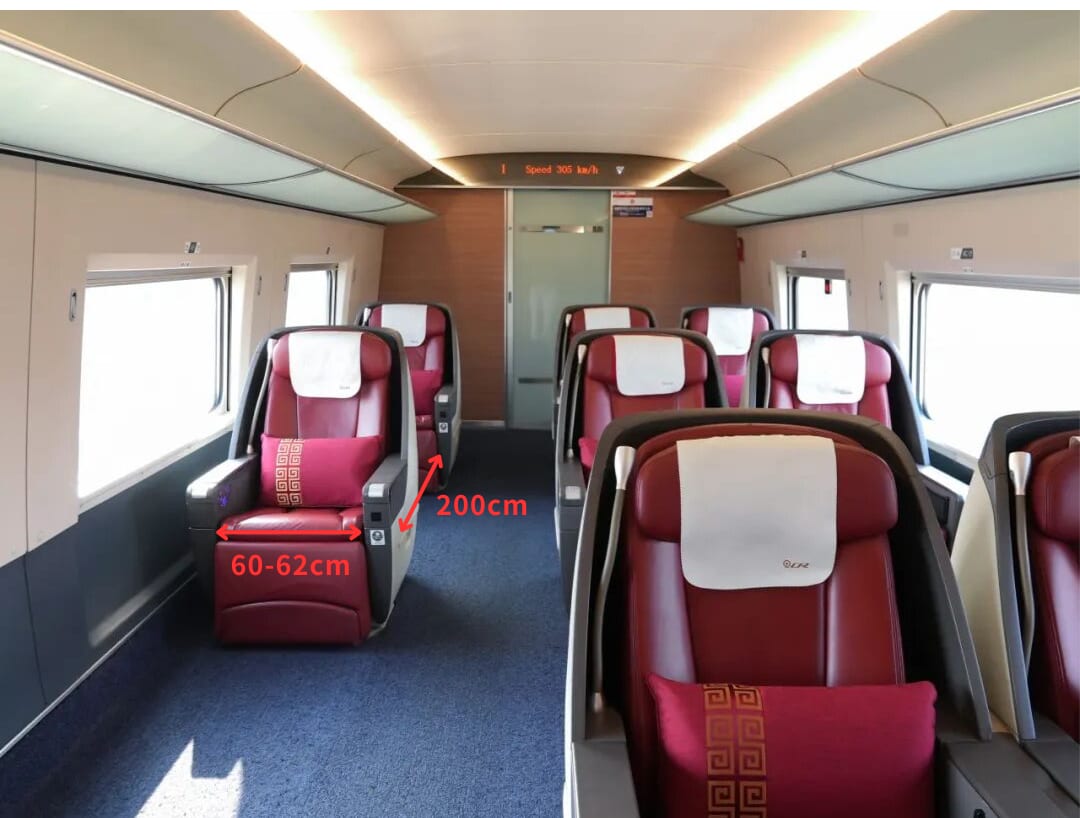
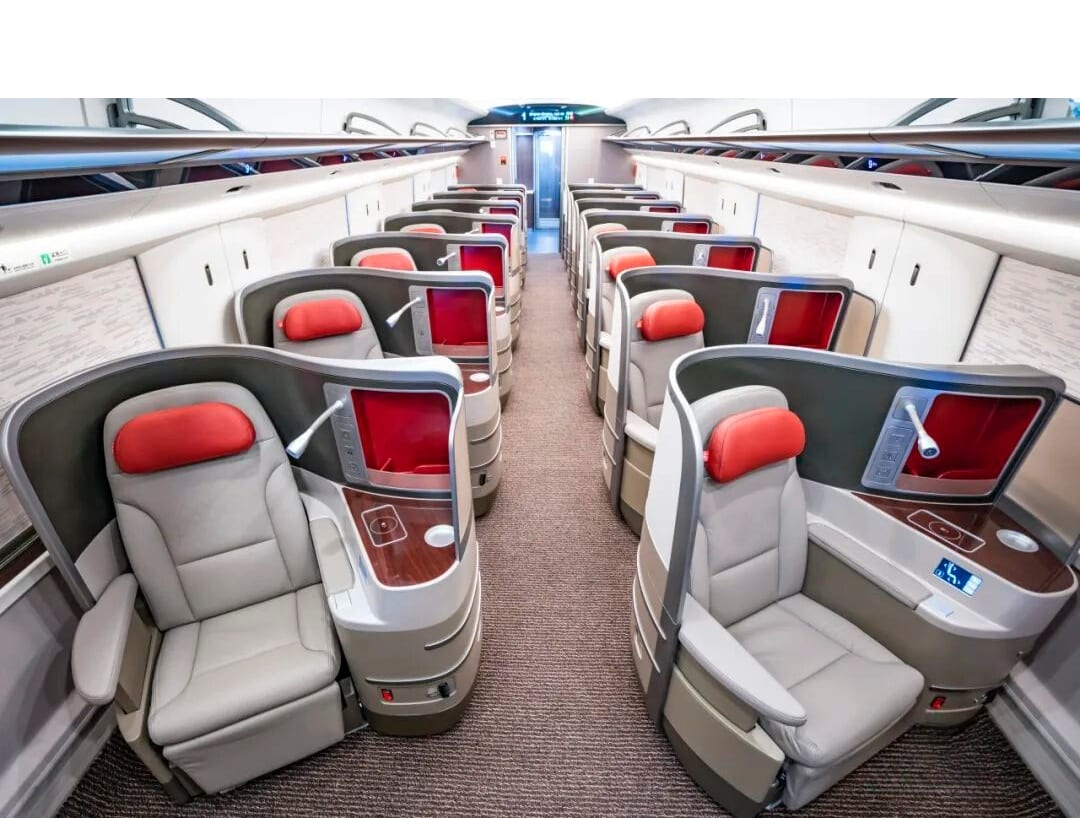
- Layout: 1+2 or 1+1 seating arrangement
- Overview: Seats can fully recline into a 180-degree flat-bed position, offering a high level of privacy and comfort. Tickets usually include complimentary meals, dedicated charging ports, disposable slippers, and access to VIP lounges and priority boarding services at stations.
- Best For: Passengers who want to fully rest during the journey, value privacy, or prefer a more premium and efficient station experience.
Regular Train Series (Z / T / K Trains)
- Z-Series Direct Express trains with speeds of around 160 km/h. They make the fewest stops, usually only at major cities or provincial capitals, making them the fastest and most comfortable option among regular trains.
- T-Series Express trains with speeds of around 140 km/h. They stop at more cities and mainly operate on major railway routes, offering a balance between speed and coverage.
- K-Series Fast trains with speeds of around 120 km/h. They stop frequently, including at many smaller towns and cities. This is the most common type of regular train in China and usually the most affordable option.
Seat Class Guide
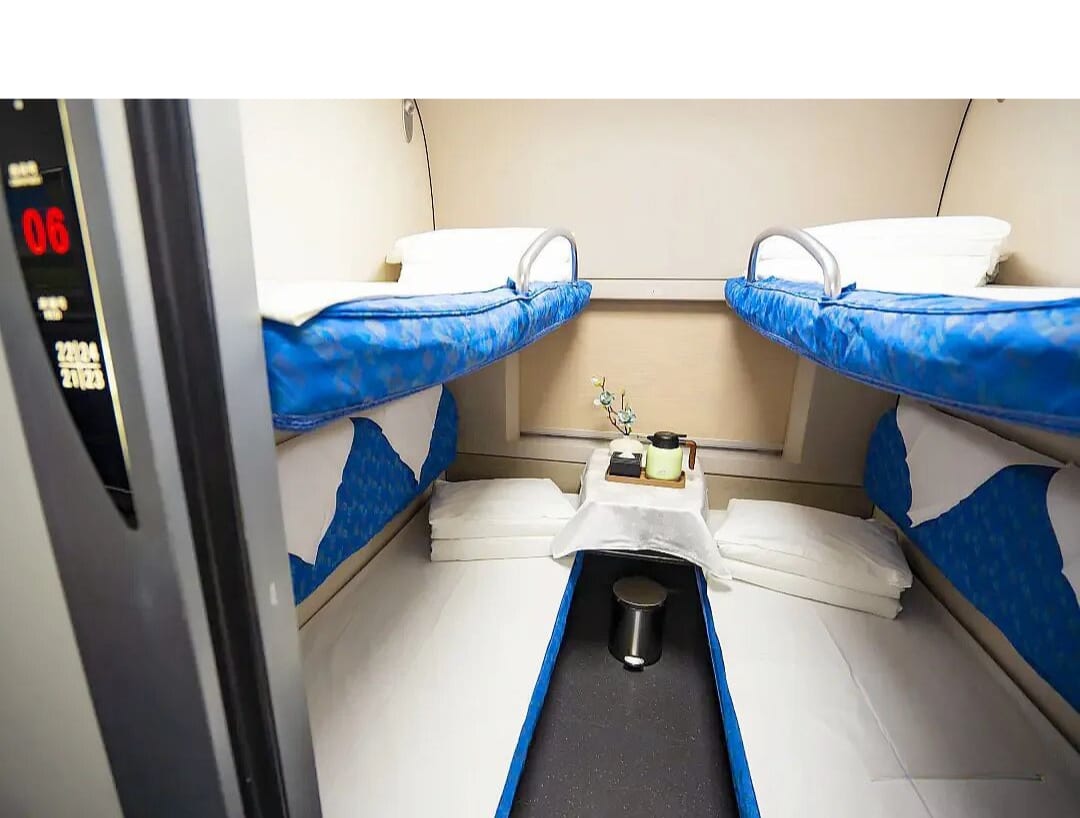
Soft Sleeper
- Layout: Private compartments for 4 passengers (upper and lower berths)
- Overview: Offers a more private and quieter environment, with thicker mattresses for better comfort. The corridor area usually includes foldable seats and charging outlets.
- Best For: Families traveling together or passengers who want a more comfortable overnight travel experience with better sleep quality.
Hard Sleeper
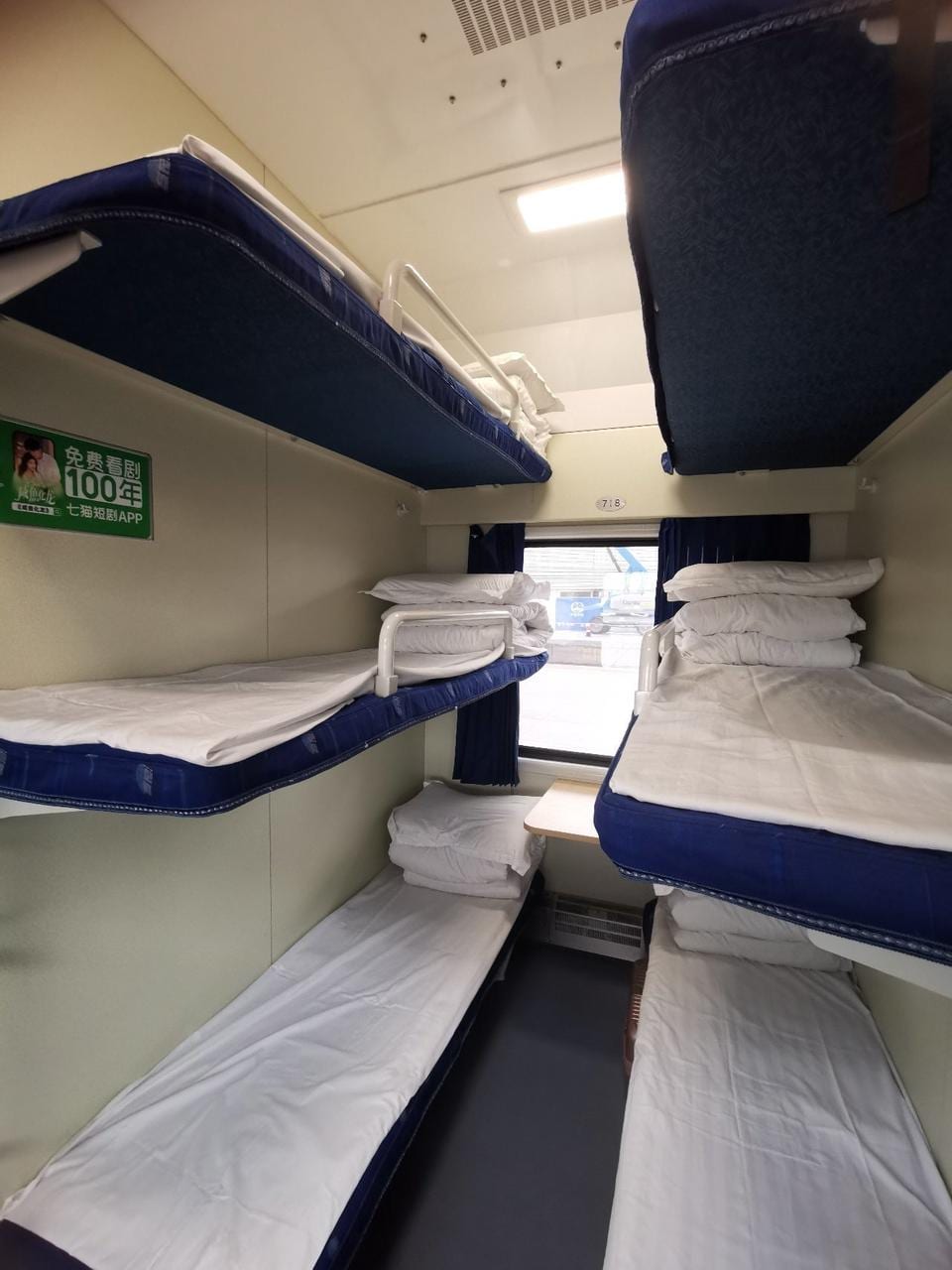
- Layout: Semi-open compartments for 6 passengers (upper, middle, and lower berths)
- Overview: A very cost-effective option for long-distance travel. Lower berths provide the most space and allow passengers to sit upright during the daytime. Since the compartments do not have doors, the atmosphere is often more social, although it can also be noisier.
- Best For: Budget travelers, backpackers, passengers interested in experiencing local travel culture, or those taking long cross-province journeys.
Soft Seat
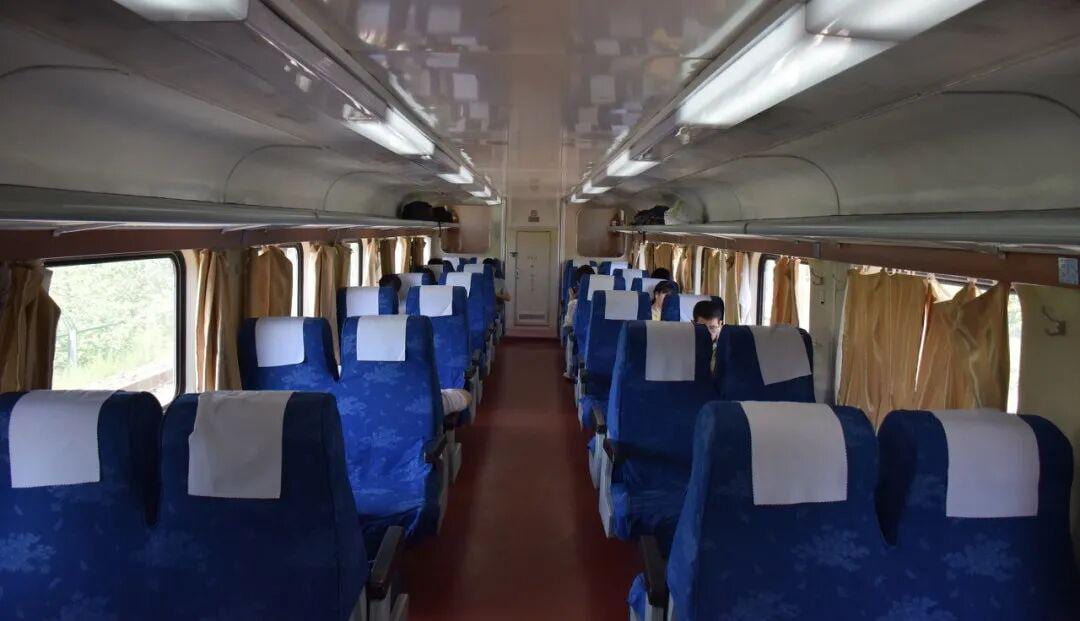
- Layout: 2+2 seating arrangement, with seats generally wider than Hard Seat
- Overview: Similar to Second Class seats on high-speed rail. The seat backs are adjustable, and each seat includes armrests. Compared with Hard Seat, the passenger density is lower, creating a quieter and more comfortable environment.
- Best For: Medium- and short-distance travelers who do not need a sleeper berth but want a more comfortable experience than Hard Seat.
Hard Seat
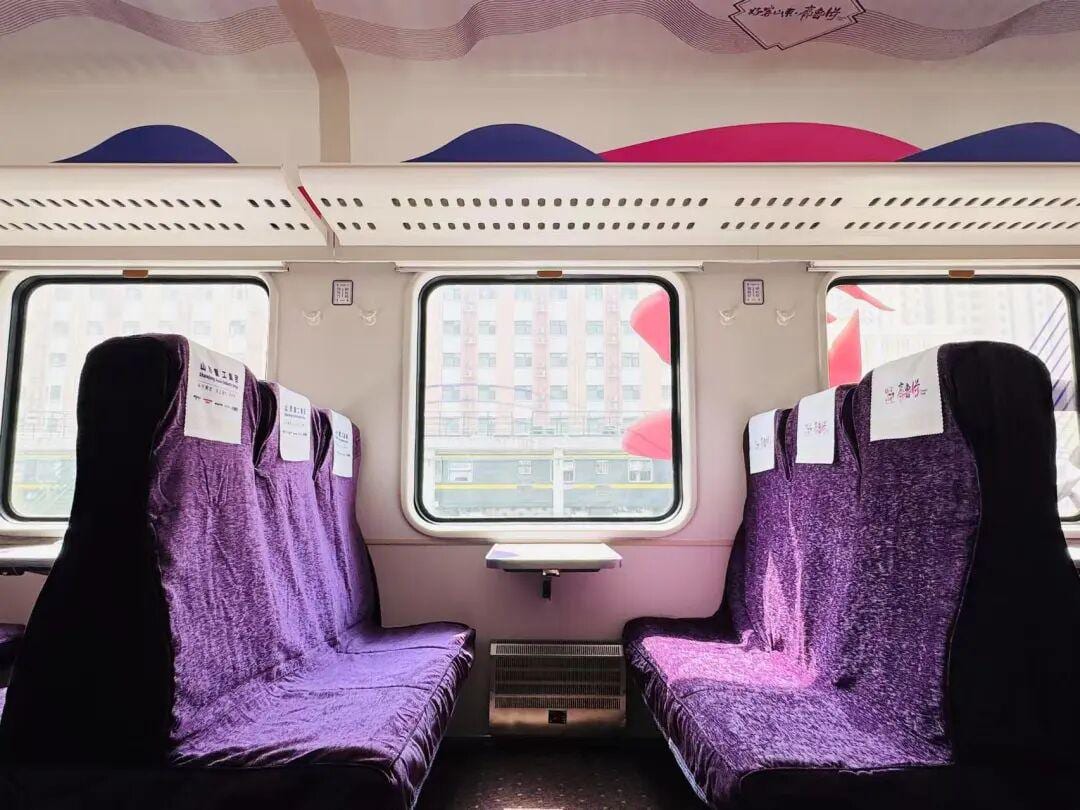
- Layout: 2+3 seating arrangement with upright bench-style seats
- Overview: The most affordable option. Since the seat backs are non-reclining and the carriages are often crowded, long-distance journeys can feel quite tiring.
- Best For: Short trips of around 2–3 hours, or travelers who do not mind crowded environments and want the lowest-cost option.
Deluxe Soft Sleeper
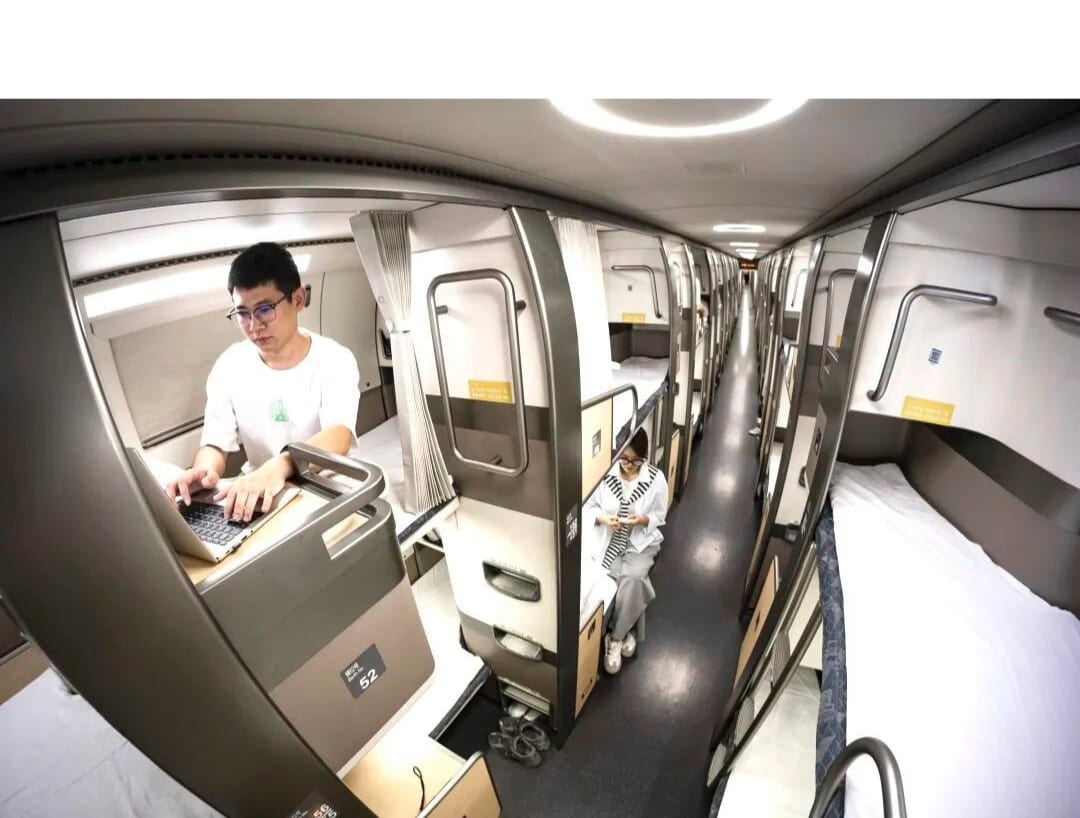
- Layout: Various layouts depending on the train model
- Overview: A newer and more premium sleeper option that offers significantly greater comfort than traditional sleeper cabins. These compartments feature upgraded privacy, improved space design, and enhanced onboard facilities, providing a much better sleeping and travel experience.
- Best For: Travelers who value high-quality sleep, greater privacy, and a more home-like level of comfort during long-distance journeys.
If you have already chosen your preferred seat but are unsure how to place an order or navigate the station process, you can click here to view our step-by-step ticket booking and travel guide.
Frequently Asked Questions (FAQ)
Train Selection & Ticket Booking
You can choose based on the travel distance and duration:
- For journeys under 5 hours, high-speed rail is generally recommended for a more comfortable and efficient travel experience.
- For long-distance trips, overnight sleeper trains can be a more economical option, allowing you to travel while sleeping and arrive the next morning.
It is recommended to arrive at least one hour before departure. You may need additional time for security checks and finding the correct boarding gate.
Train tickets are usually released 15 days before departure.
For long-distance routes, tickets can sell out quickly, so booking early is recommended. For short trips between nearby cities outside of holidays, booking 2–3 days in advance is usually sufficient.
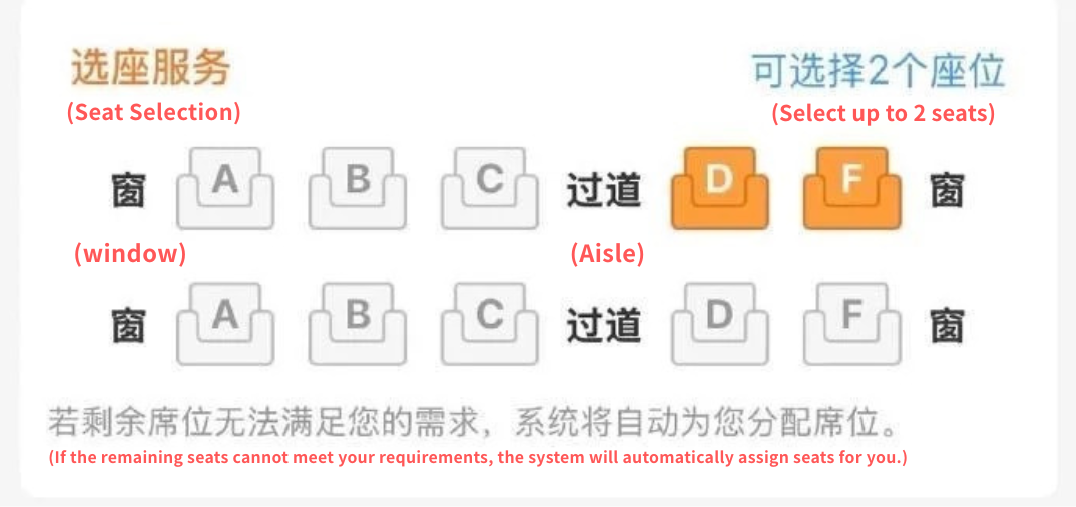
When booking through 铁路12306 or Trip.com, select all passengers before entering the seat selection page, then choose adjacent seats on the seating map.
In addition, the 12306 system will usually try to automatically arrange nearby seats for groups of up to five passengers when enough seats are available.
Security, Luggage & Station Services
Yes. You may carry one bottle of perfume under 100 ml, and up to two lighters.
China’s high-speed rail system has relatively flexible luggage rules, with no strict size or weight limits for most passengers.
Small luggage can be placed on the overhead racks, while larger luggage should be stored in the designated luggage areas at the ends of the carriage. If the storage areas are full, you can ask staff for assistance.
China’s high-speed rail system has relatively flexible luggage rules, with no strict size or weight limits for most passengers.
Most major railway stations provide paid luggage storage services. It is recommended to check the station’s specific service policies in advance.
Onboard Facilities & Travel Tips
Yes. Most high-speed trains have a dining car, although the food selection may be limited.
If you would like more meal options, you can scan the QR code near your seat to order food online. After placing your order, the meal will usually be delivered to your seat at the next station that supports meal delivery services.
Ticket Refund & Change Policies
Yes. Refund fees are charged based on how early you cancel your ticket:
- 8 days or more before departure: No refund fee
- More than 48 hours before departure: 5% fee
- 24–48 hours before departure: 10% fee
- Less than 24 hours before departure: 20% fee
Passengers may change their ticket once free of charge. You can modify the travel date, train number, seat class, or destination station.
If you change to another train on the same travel day, no additional fee is usually charged. If you change to a later travel date, the following fees may apply:
- Changes made 24–48 hours before departure: 5% fee
- Changes made within 24 hours before departure: 15% fee based on the lower ticket price
- Changes made after departure for trains on the following day or later: 40% fee based on the lower ticket price
Yes. This can usually be done through the ticket change function.
As long as seats are still available on your selected train, you may change your booking and choose a different seat.
**Please note: **ticket changes are generally limited to one time only. If you use your change opportunity to switch seats, the order will usually be locked afterward, and further changes to the travel time or destination may no longer be possible.
Children’s Ticket Policies
Since January 1, 2023, the child ticket policy has been as follows:
- Children under 6 years old: One child without a seat may travel free with each adult
- Children aged 6–14: A discounted child ticket is required
- Children aged 14 and above: A full adult ticket is required
- Each adult may only bring one child traveling for free; additional children require child tickets
When booking through 12306, children with identification documents can be added directly as passengers.
For children without identification documents, tickets can usually be purchased using the accompanying adult’s identification information.
Most high-speed trains provide foldable baby changing tables inside the accessible toilets, which can be used for diaper changing or basic childcare needs.
If you need assistance, you can always ask the train staff for help.