
Black Myth: Wukong - An Architectural Journey through Beijing and Shanxi
From Imperial Beijing to Shanxi’s Sacred Architecture
Last updated: August 11, 2026
Plan this tourOverview
Trip Highlights
the Forbidden City · Jingshan Park · Traditional Hutongs · the Temple of Heaven · Lama Temple · Confucius Temple · Imperial Academy · Huayan Temple · Datong Ancient City · Yungang Grottoes · Mount Heng · Hanging Temple · Pingyao Ancient City · Pingyao City Walls · Pingyao County Government Office · Rishengchang Draft Bank · Ming–Qing Street · Shuanglin Temple · Zhenguo Temple · Wang Family Compound
Day-by-Day Itinerary
Arrival in Beijing
Upon arrival in Beijing, meet your private driver for the transfer into the city. No sightseeing is arranged, allowing time to rest after the international journey and adjust to the local time zone.
Imperial Architecture and Beijing’s Central Axis
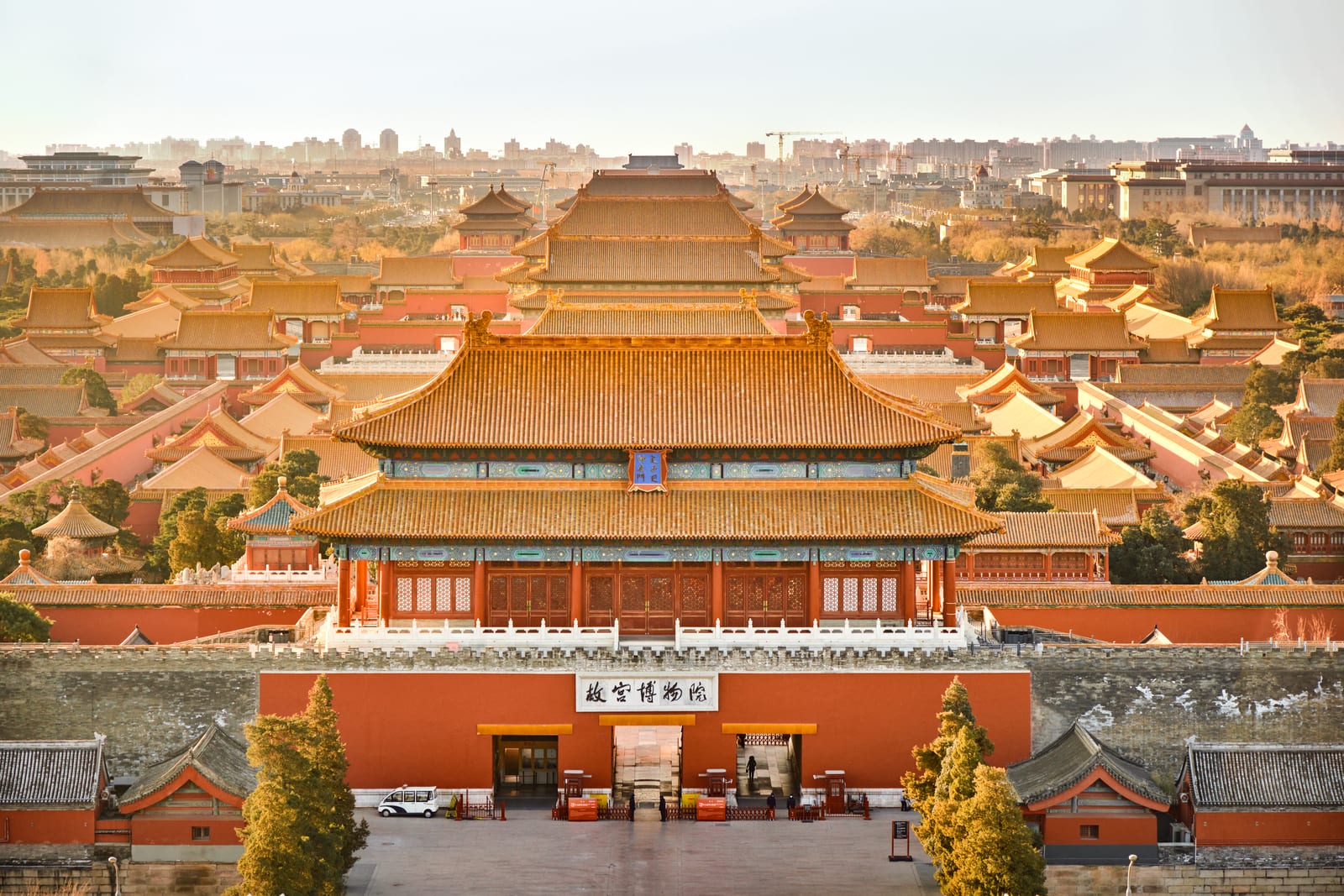
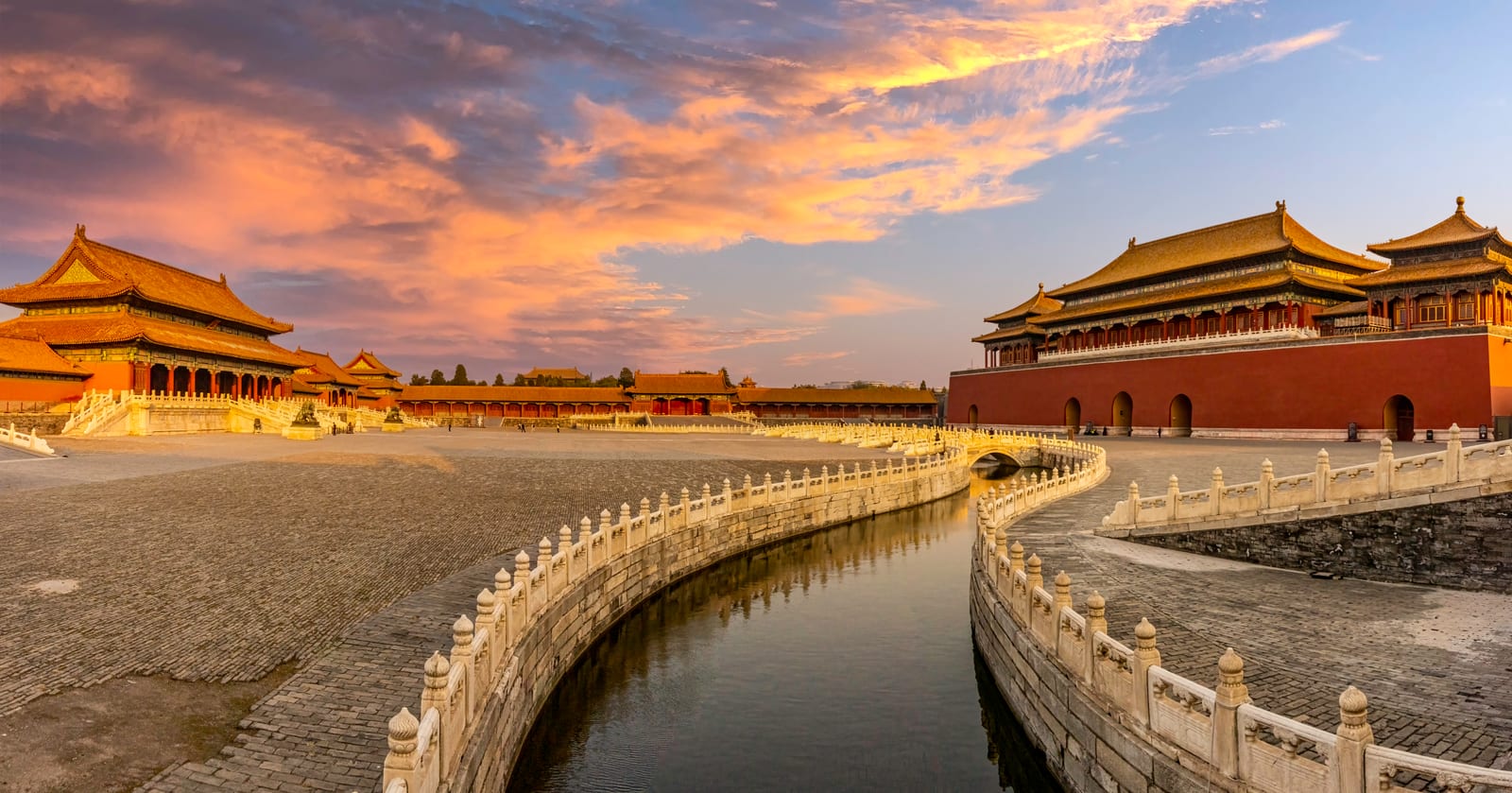
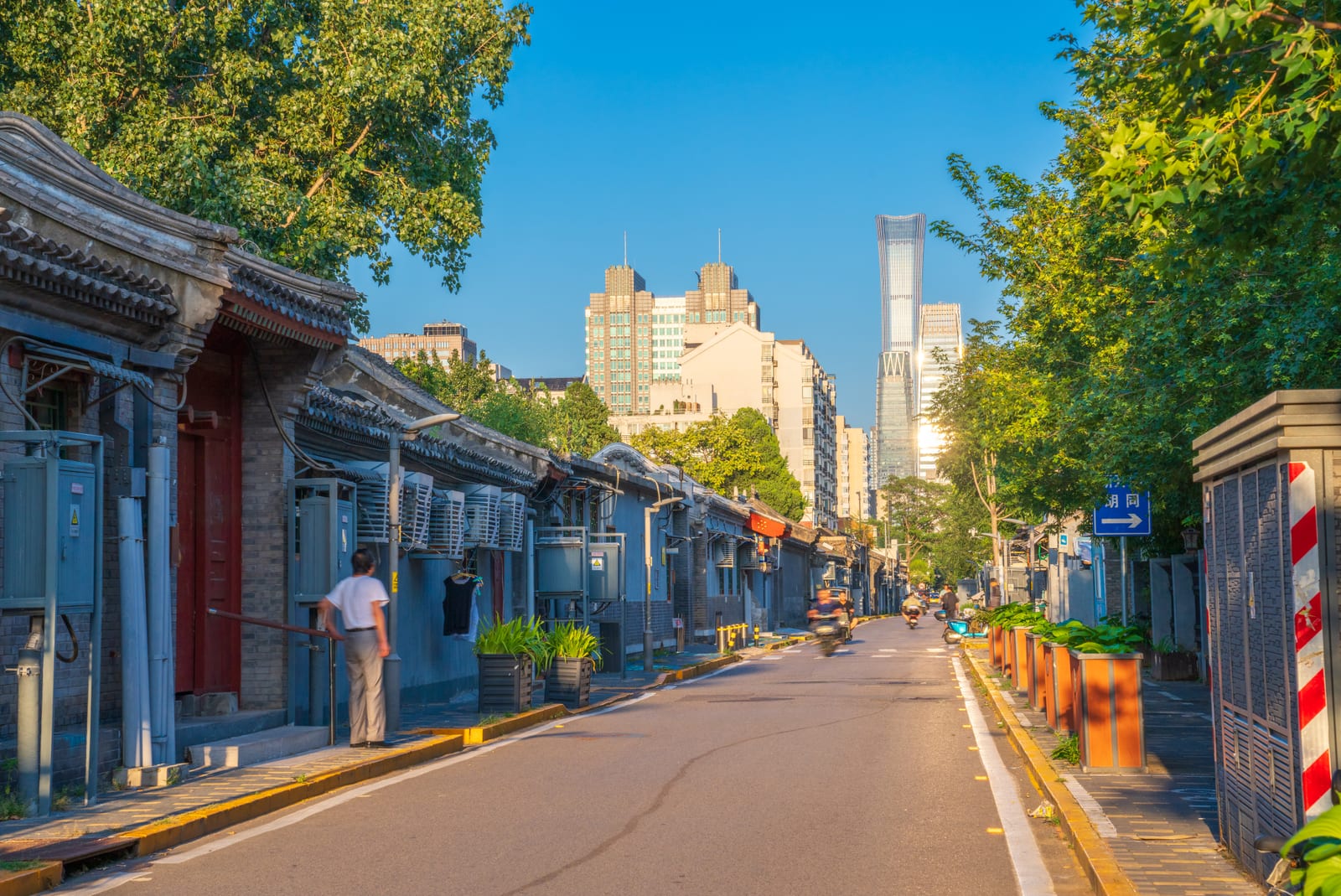
Begin at Tian’anmen Square with an introduction to Beijing’s historic Central Axis before entering the Palace Museum. Beyond the principal halls, attention is given to the progression of courtyards, ceremonial gateways, roof hierarchies, painted decoration, and mythical roof figures that define imperial space. Continue to Jingshan for an elevated view over the Forbidden City, then conclude with a measured walk through a traditional hutong and courtyard-house neighbourhood.
Ritual, Religion and the Mythological World
Visit the Temple of Heaven to explore the relationship between imperial ritual, cosmological thought, and architectural geometry. Continue to the Lama Temple for Tibetan Buddhist architecture, imagery, and ritual space. The nearby Confucius Temple and Imperial Academy then introduce Confucian ceremony, inscriptions, and traditional education, providing essential context for the temples, sculpture, and mythological traditions encountered later in Shanxi.
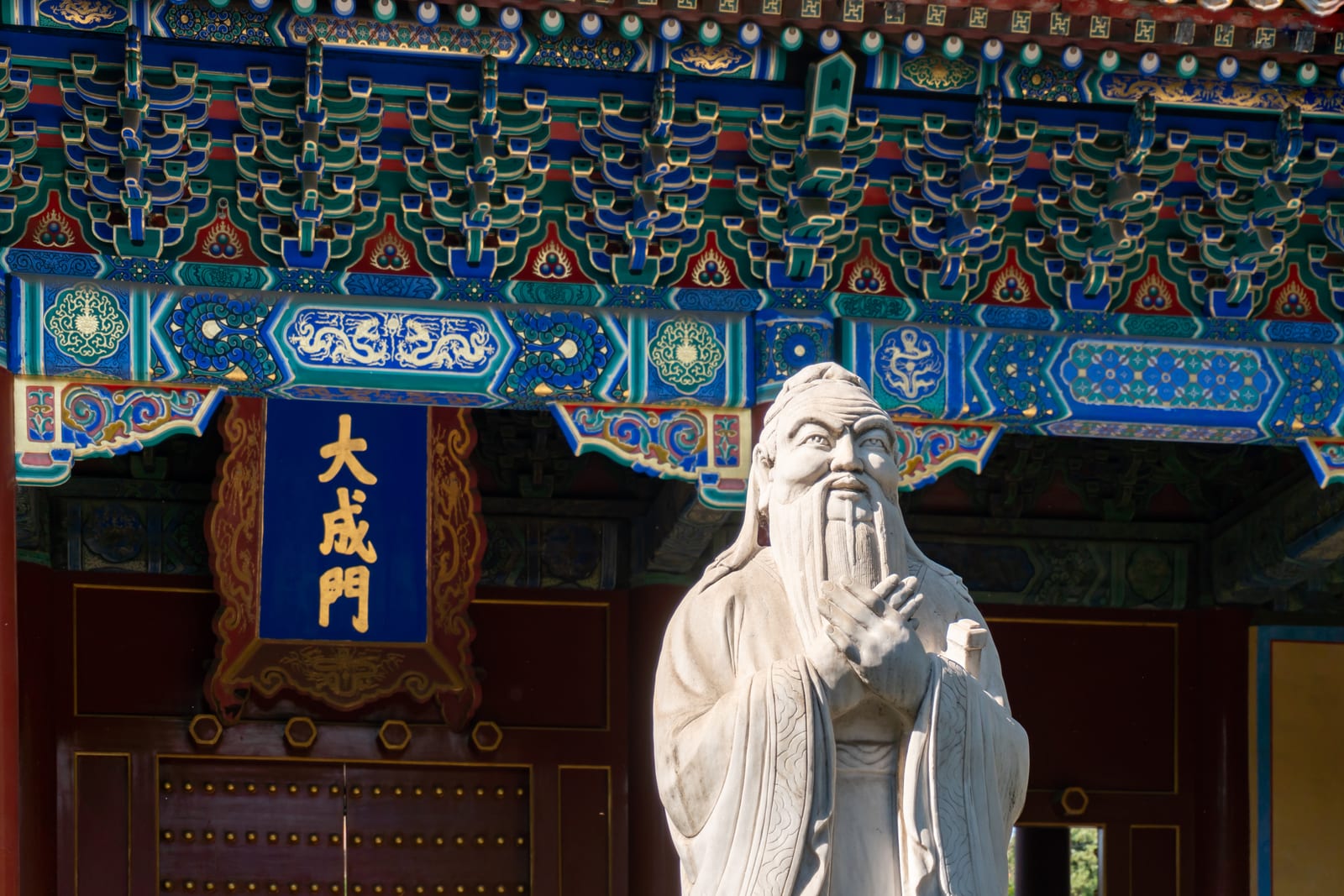
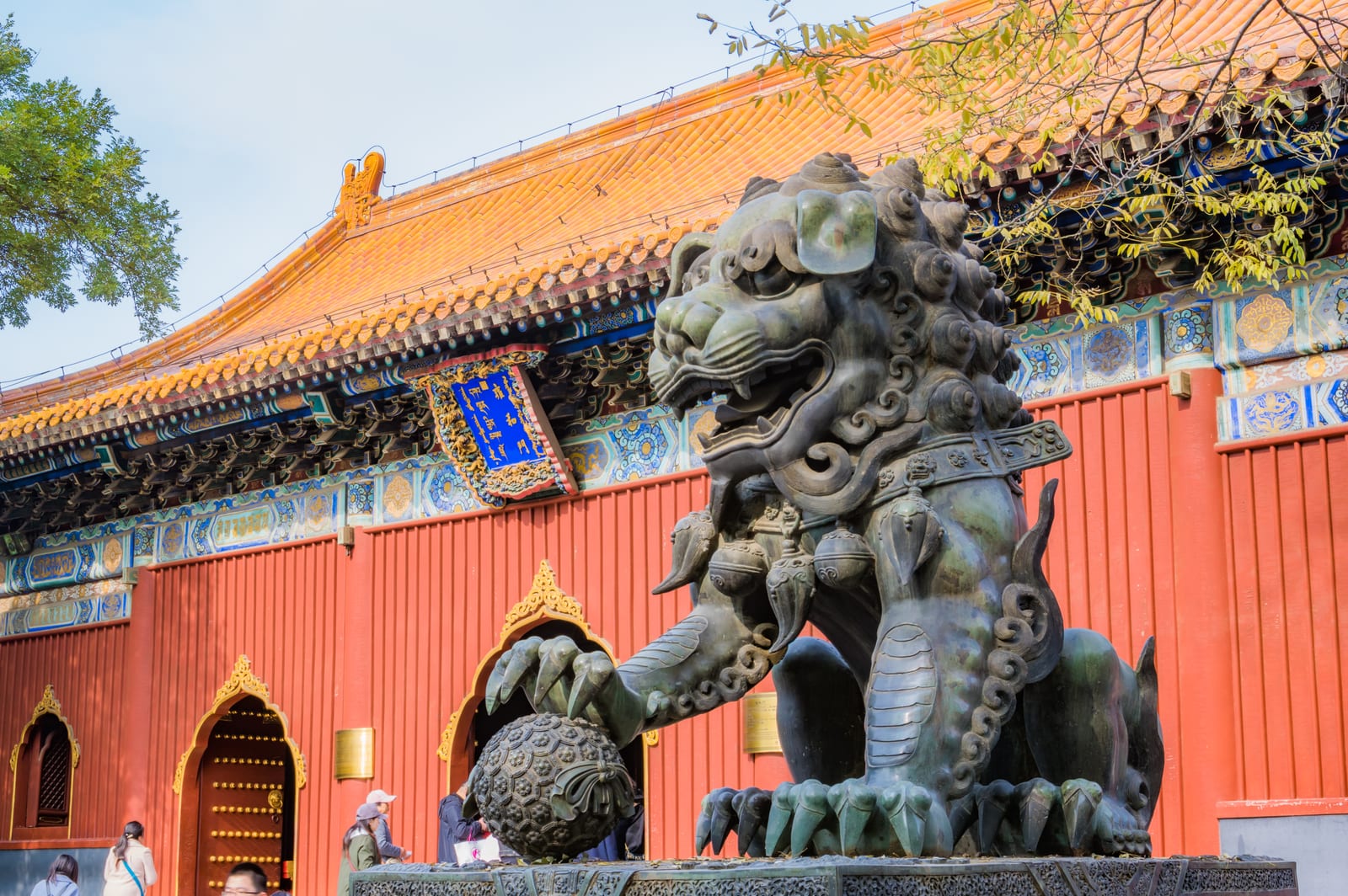
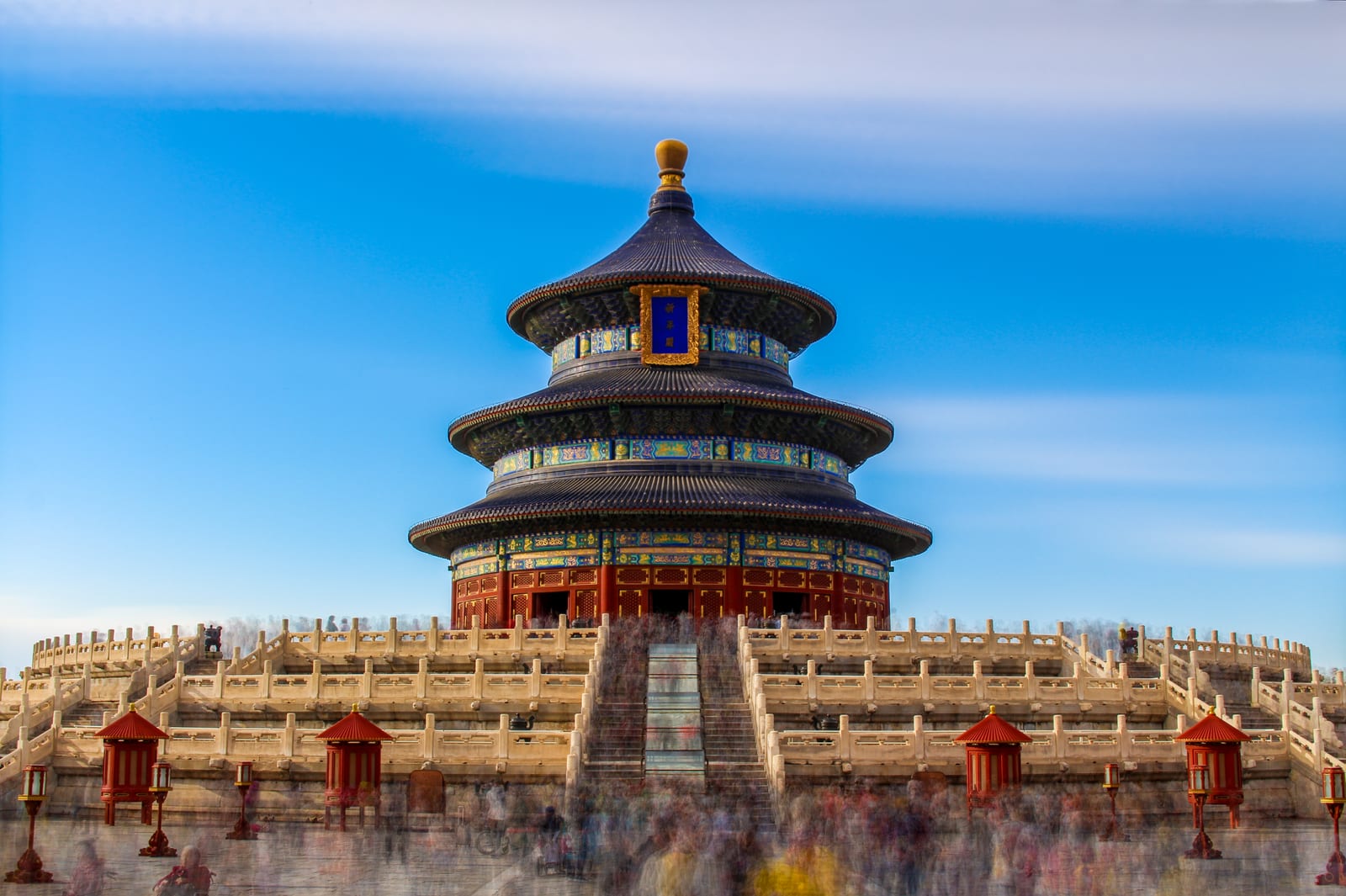
Beijing to Datong: An Introduction to Liao and Jin Architecture
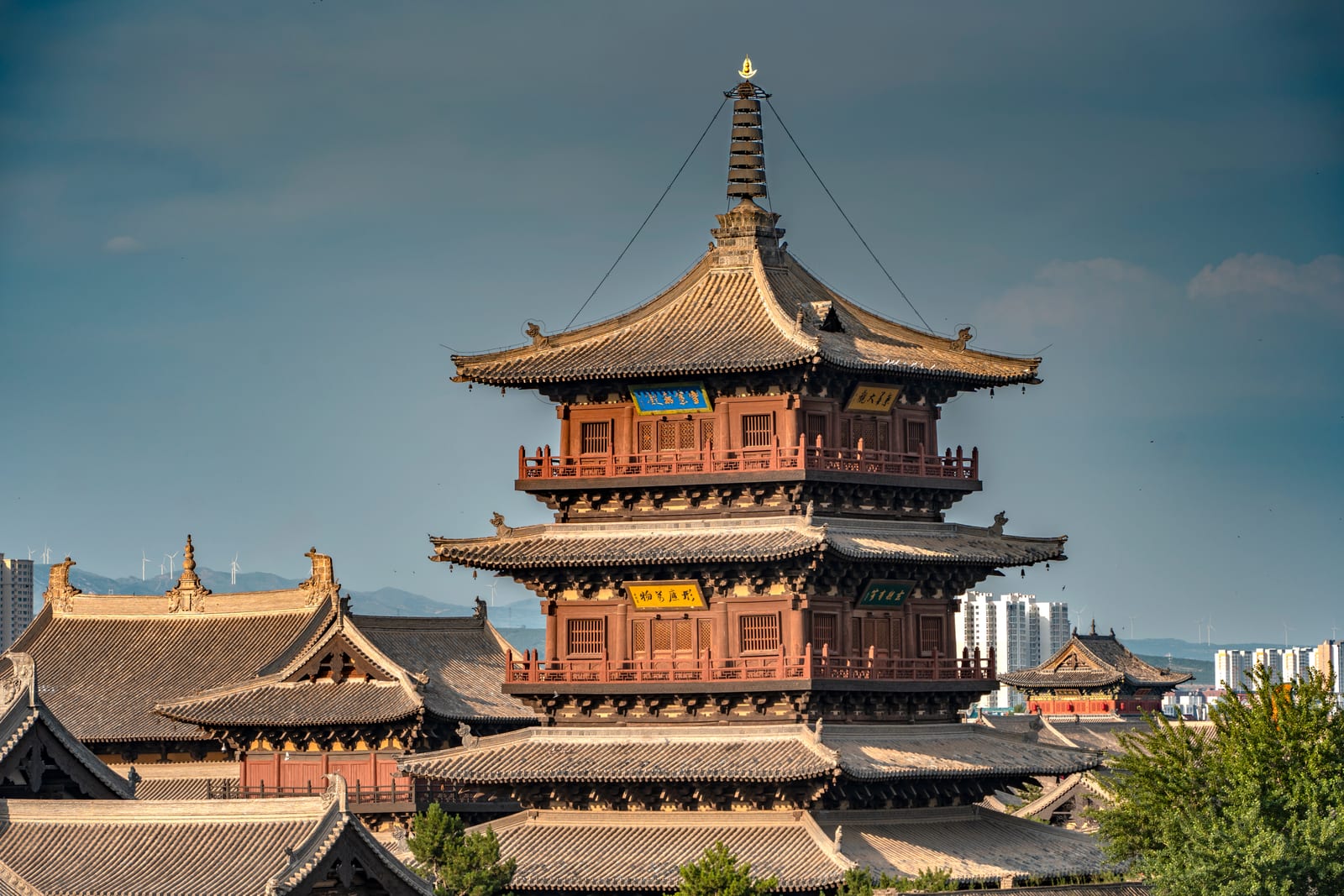
Travel by high-speed rail from Beijing to Datong. After arrival, visit Huayan Temple to examine Liao and Jin monastic planning, monumental timber halls, bracket construction, and Buddhist sculpture. Continue with a relaxed exploration of Datong’s old city and walls, introducing the historic form of this important northern frontier city. The programme remains deliberately light following the rail journey.
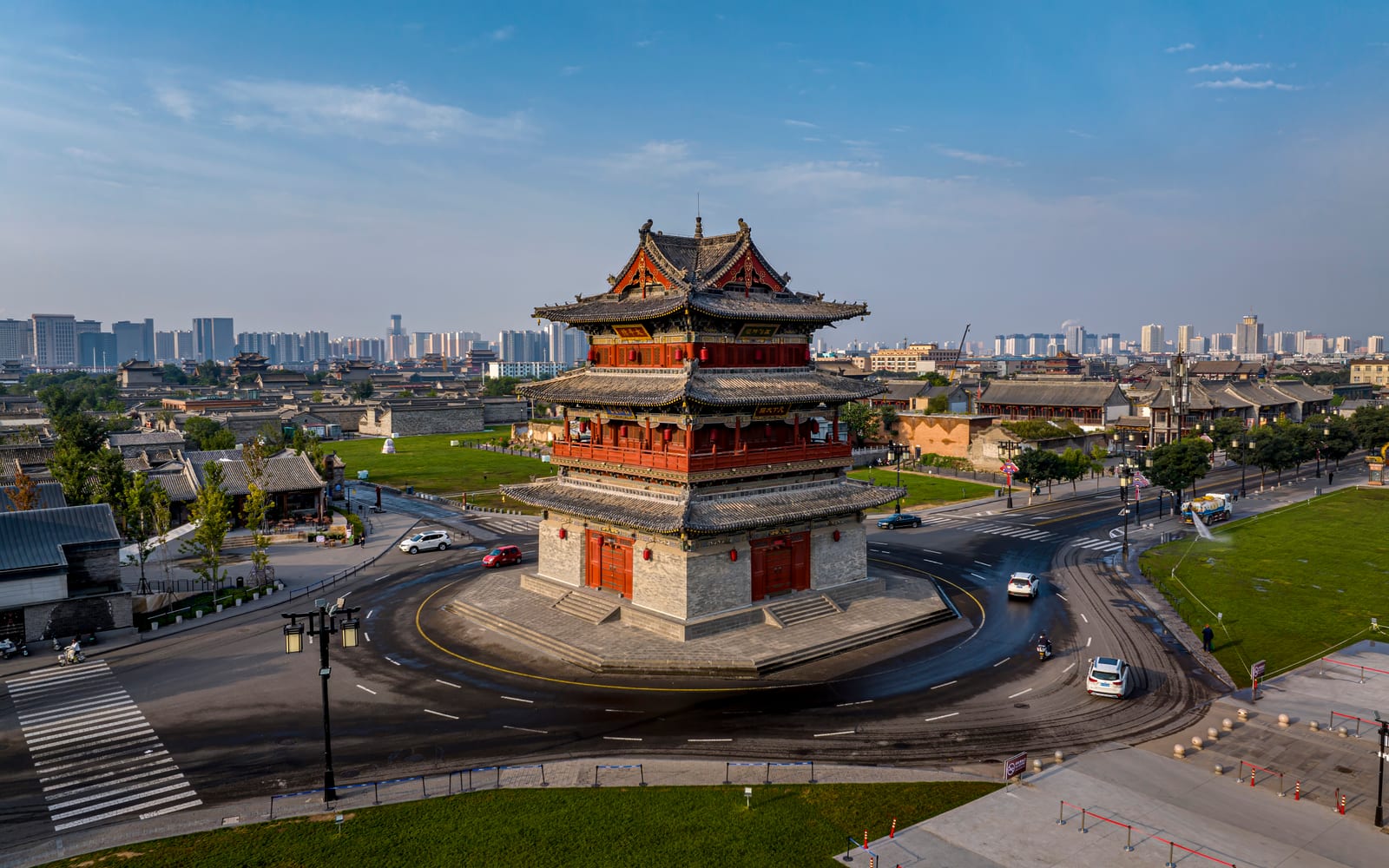
Yungang Grottoes and Cliff-Side Architecture
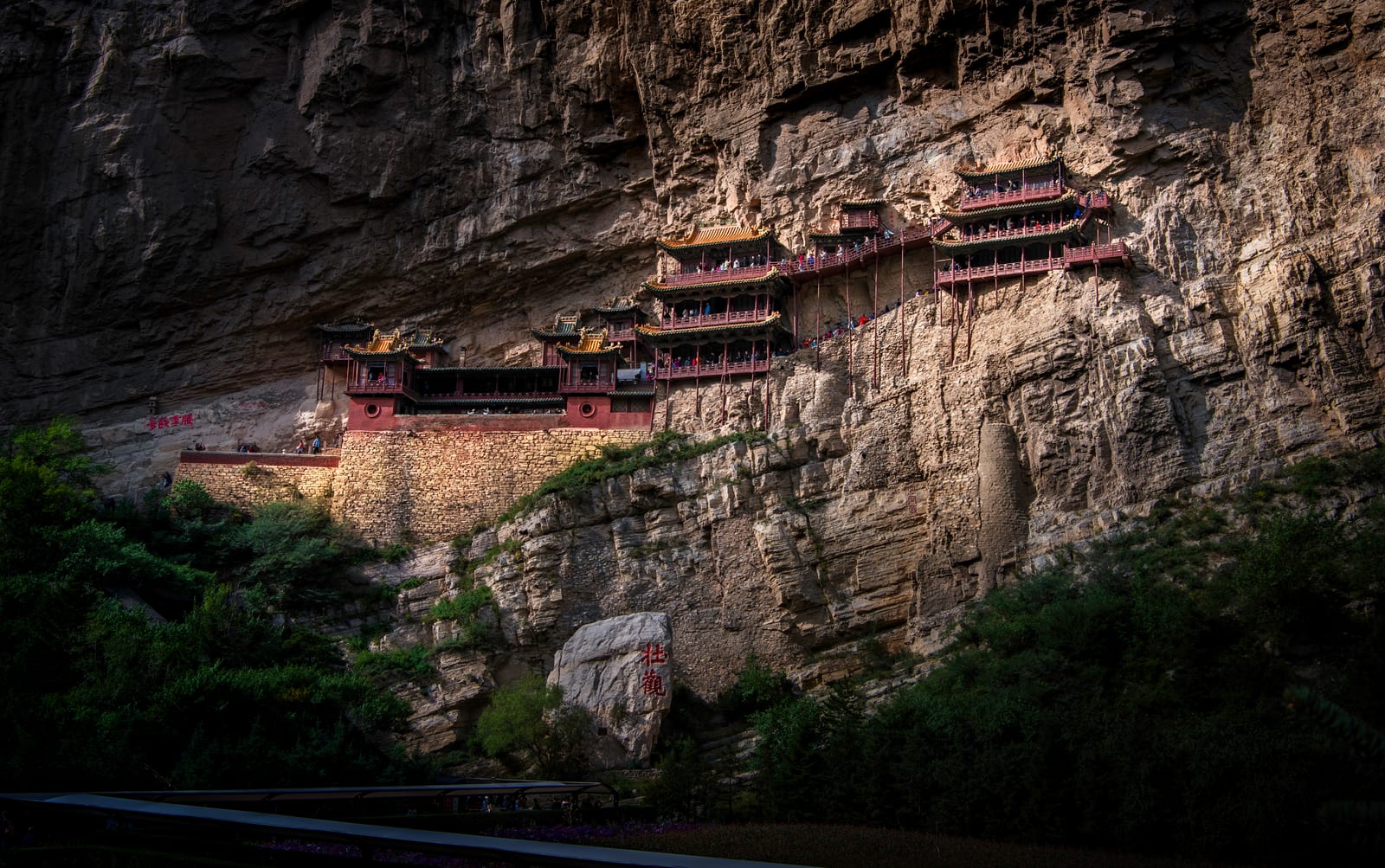
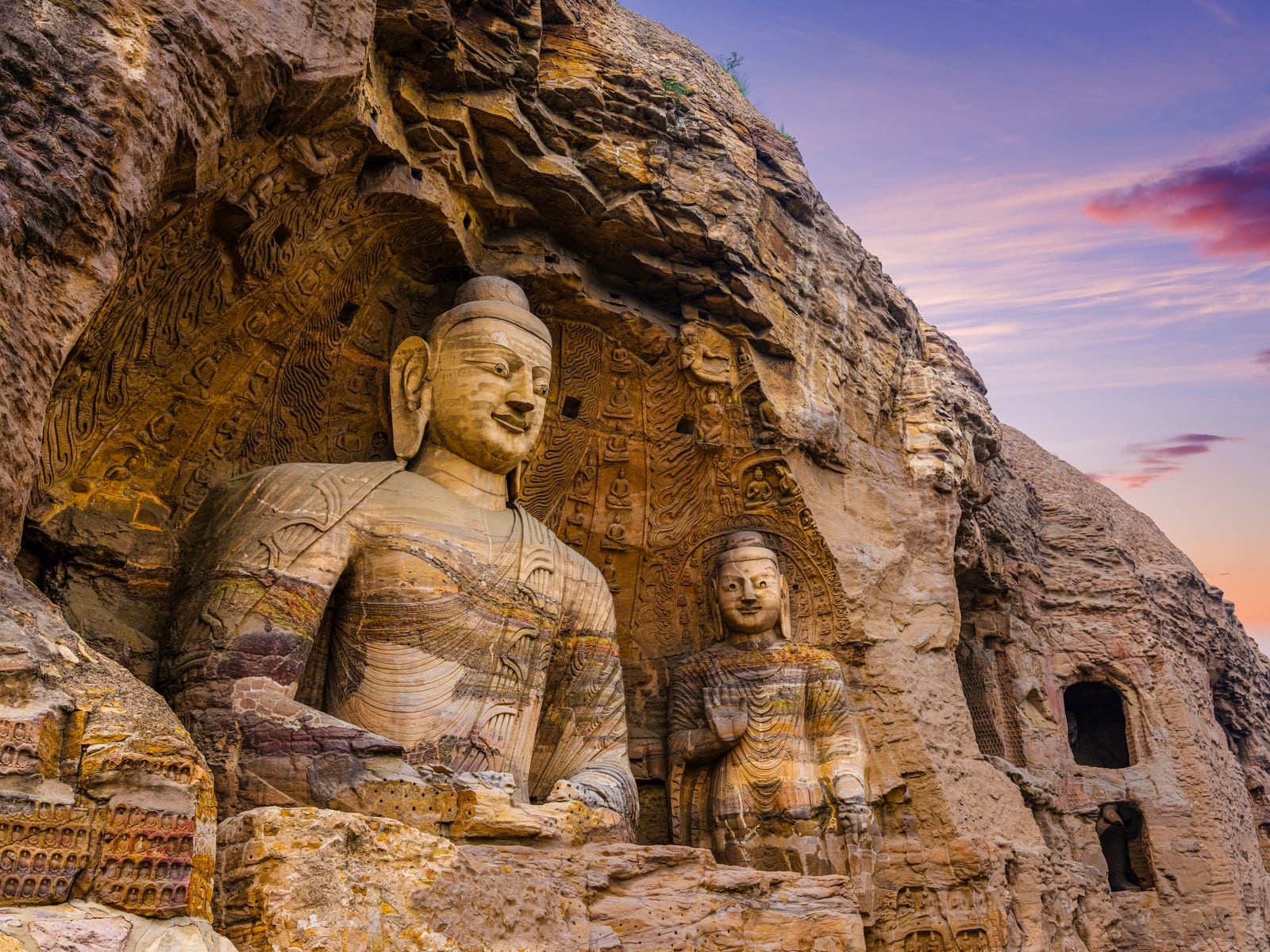
Begin at the Yungang Grottoes, where monumental sculpture, carved surfaces, and cave architecture reveal the diverse cultural influences that shaped Northern Wei Buddhist art. Yungang’s sculpture and decorative vocabulary also form part of the real-world heritage associated with the visual world of Black Myth: Wukong. The visit allows time for close observation and photography without unnecessary rushing. Continue into the Mount Heng area to study the Hanging Temple’s cliff-side setting, timber supports, and remarkable vertical arrangement. Entry onto the structure is included only when advance access is secured and the traveler is comfortable with narrow passages, steep stairs, and exposure to heights. Otherwise, the visit focuses on its exterior architecture and mountain setting.
Datong to Pingyao
Travel by high-speed rail towards Pingyao, using the most practical connection available at the time of booking. After arrival and check-in, take a gentle orientation walk inside the ancient city if time and energy permit, becoming familiar with its gates, lanes, and courtyard neighbourhoods. No intensive sightseeing is scheduled.
Pingyao Ancient City: Urban Life, Commerce and Courtyard Architecture
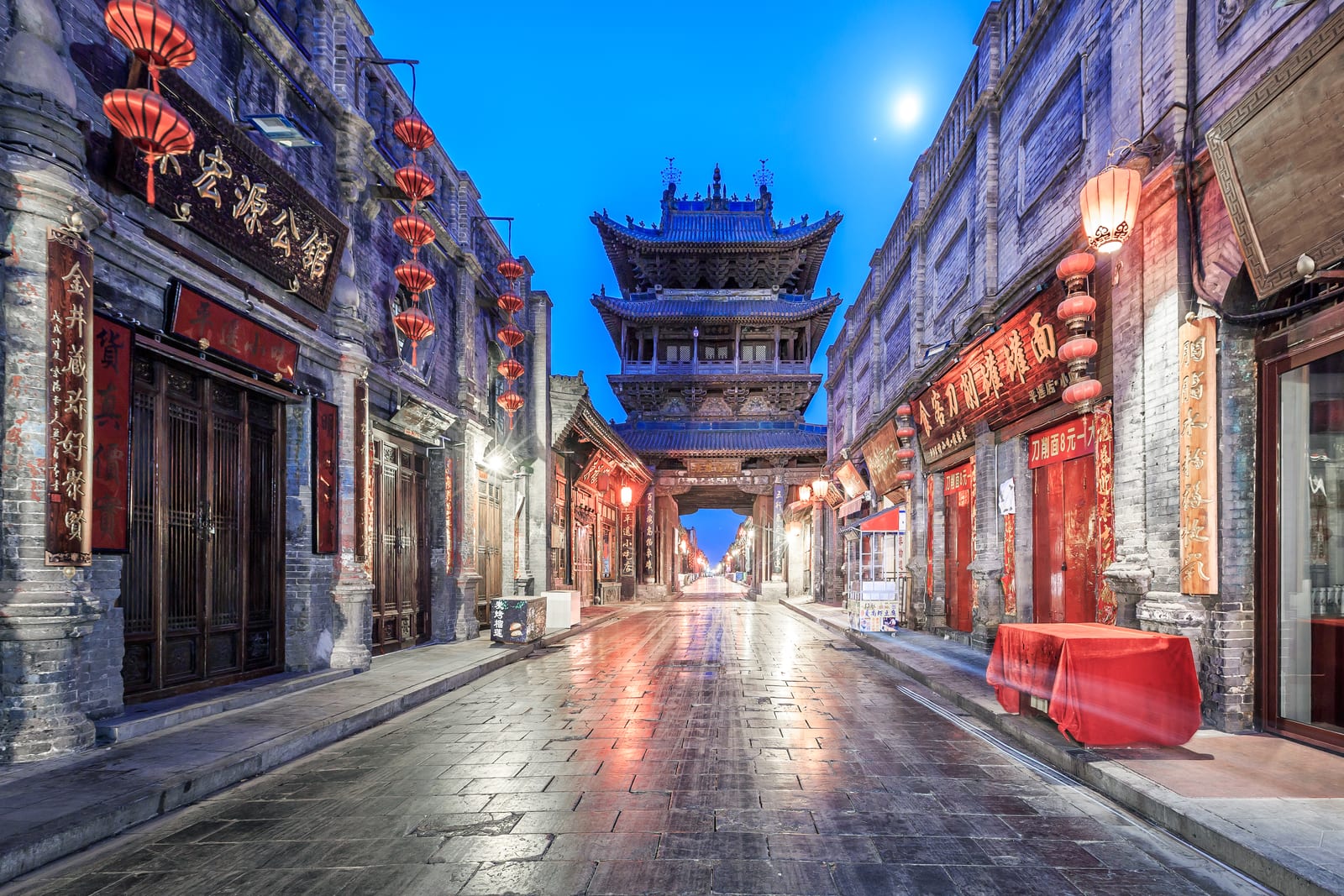
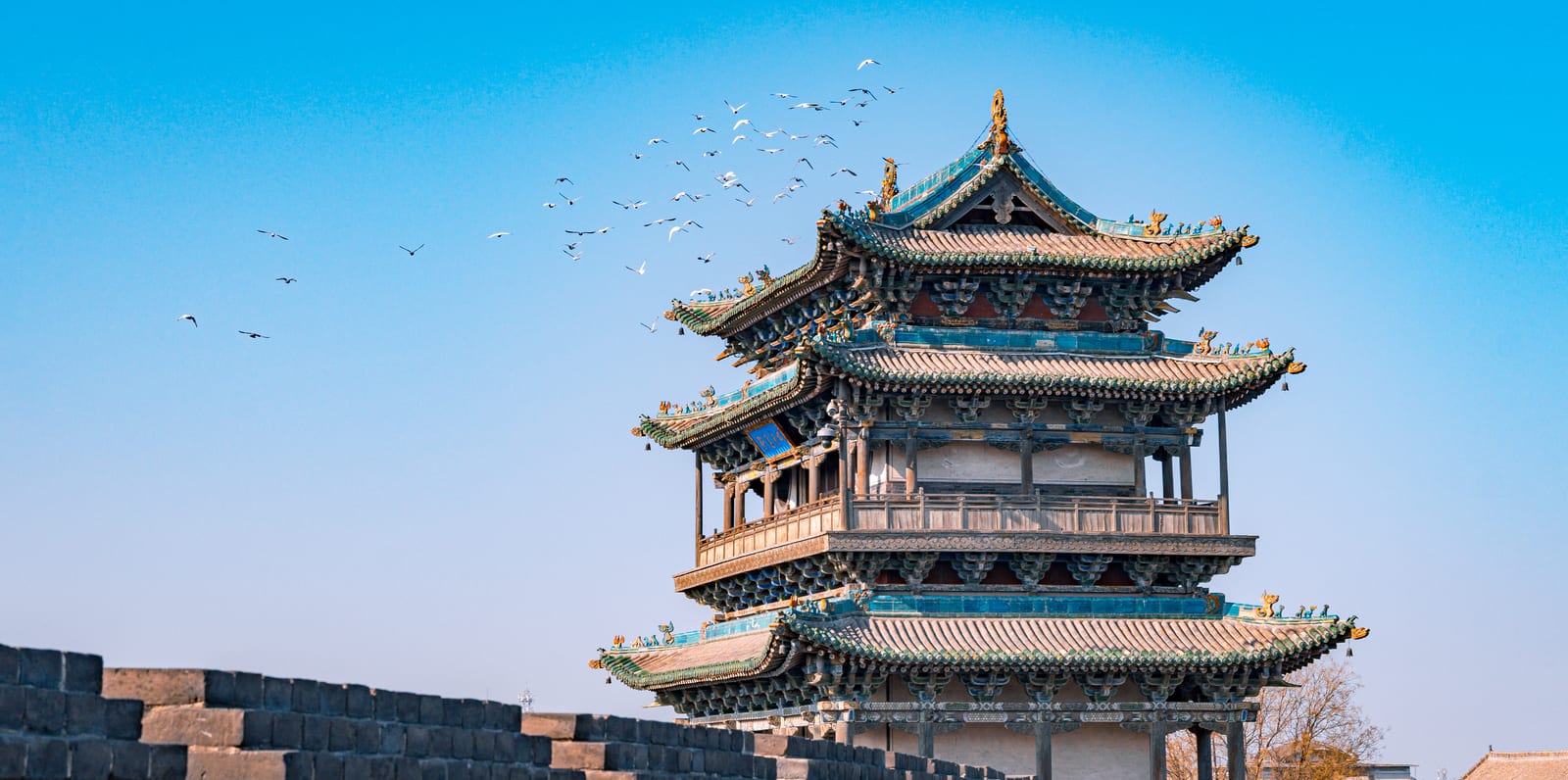
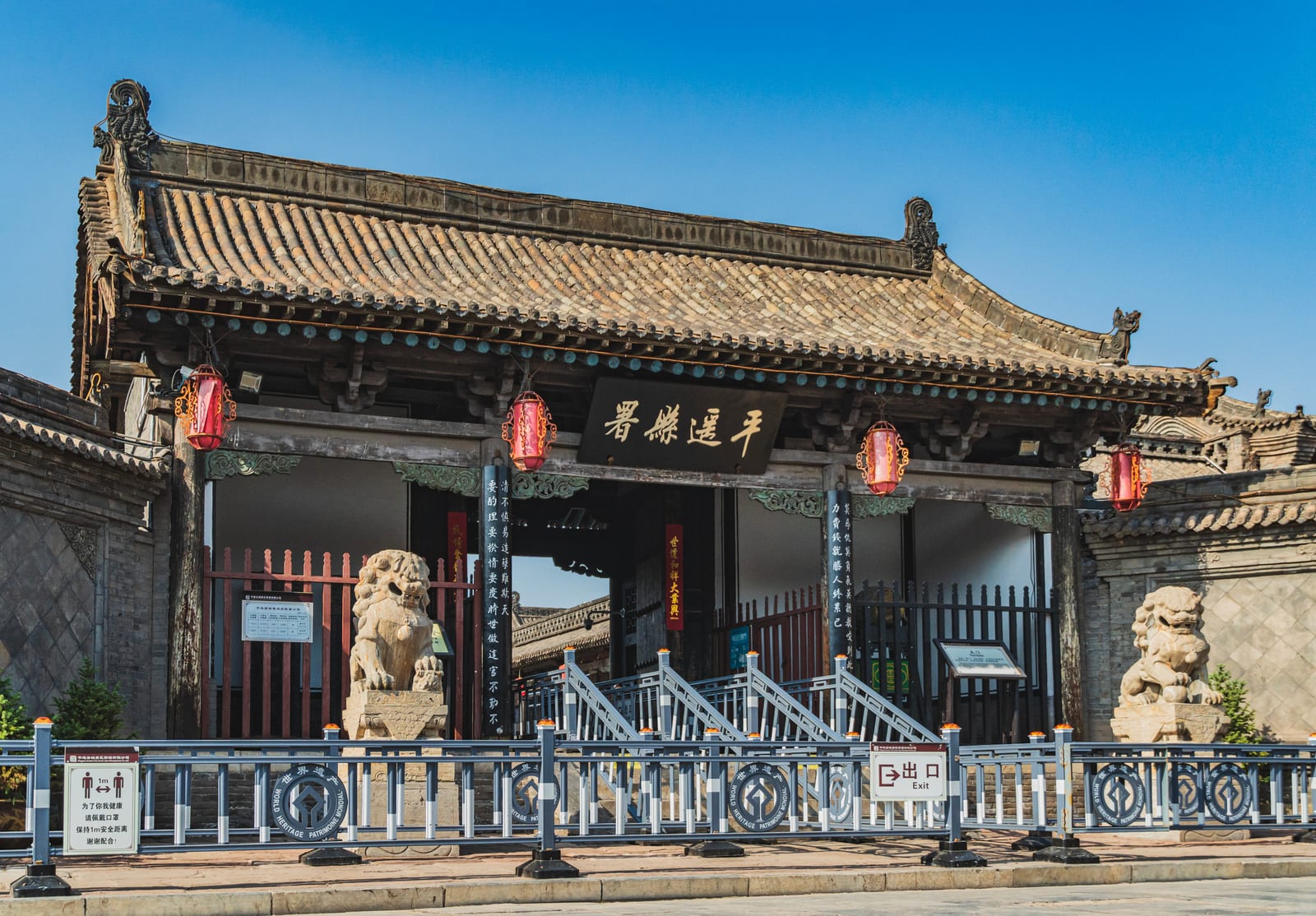
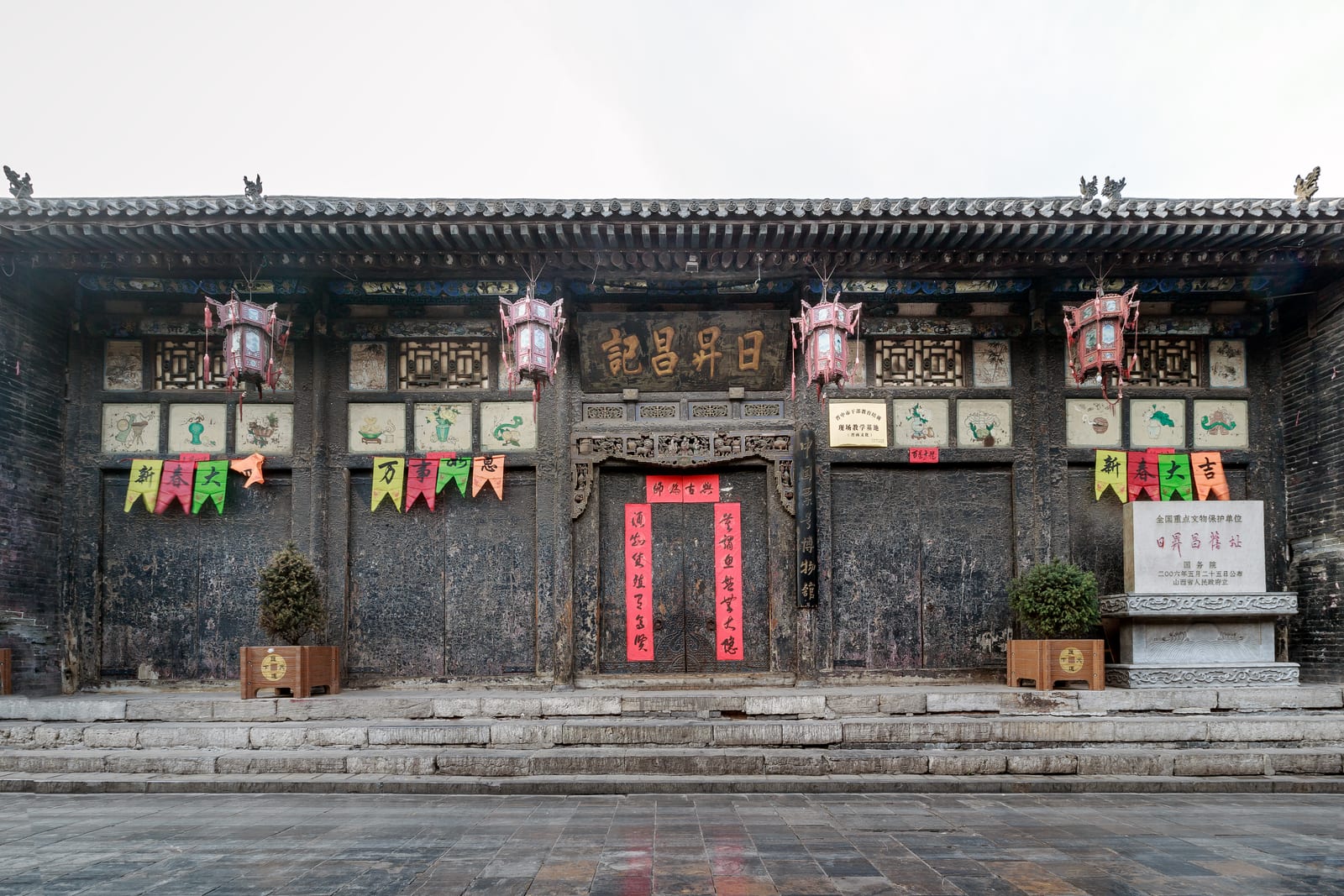
Begin on Pingyao’s city walls to understand the relationship between the fortifications and the street plan below. Continue to the historic county government complex, where administrative, judicial, and residential spaces reveal the workings of local government. At Rishengchang Draft Bank, explore the financial networks of the Shanxi merchants before walking through Ming–Qing Street and nearby courtyard neighbourhoods, where commerce, domestic life, and public space remain closely interwoven.
Temple Architecture, Painted Sculpture and Merchant Estates
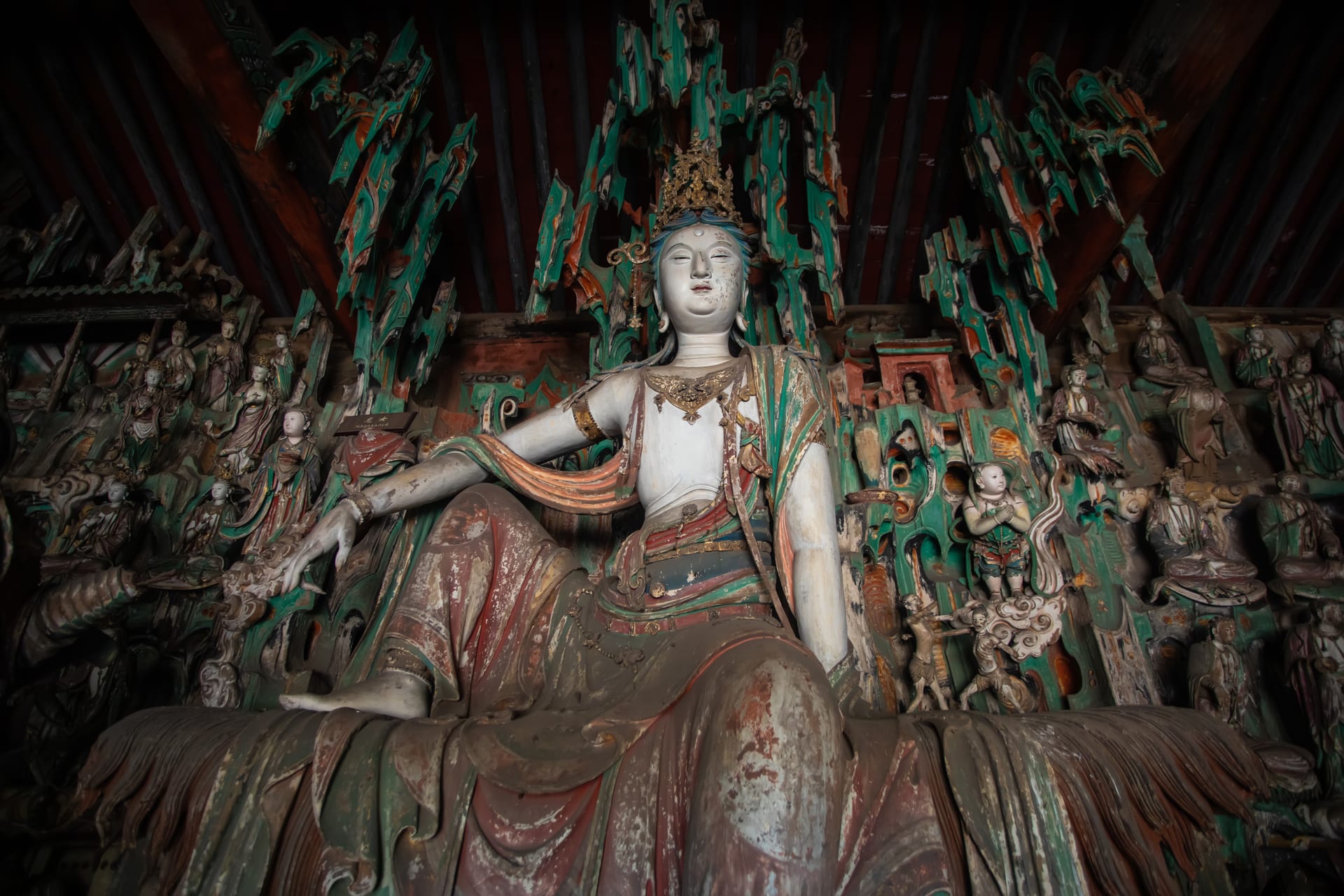
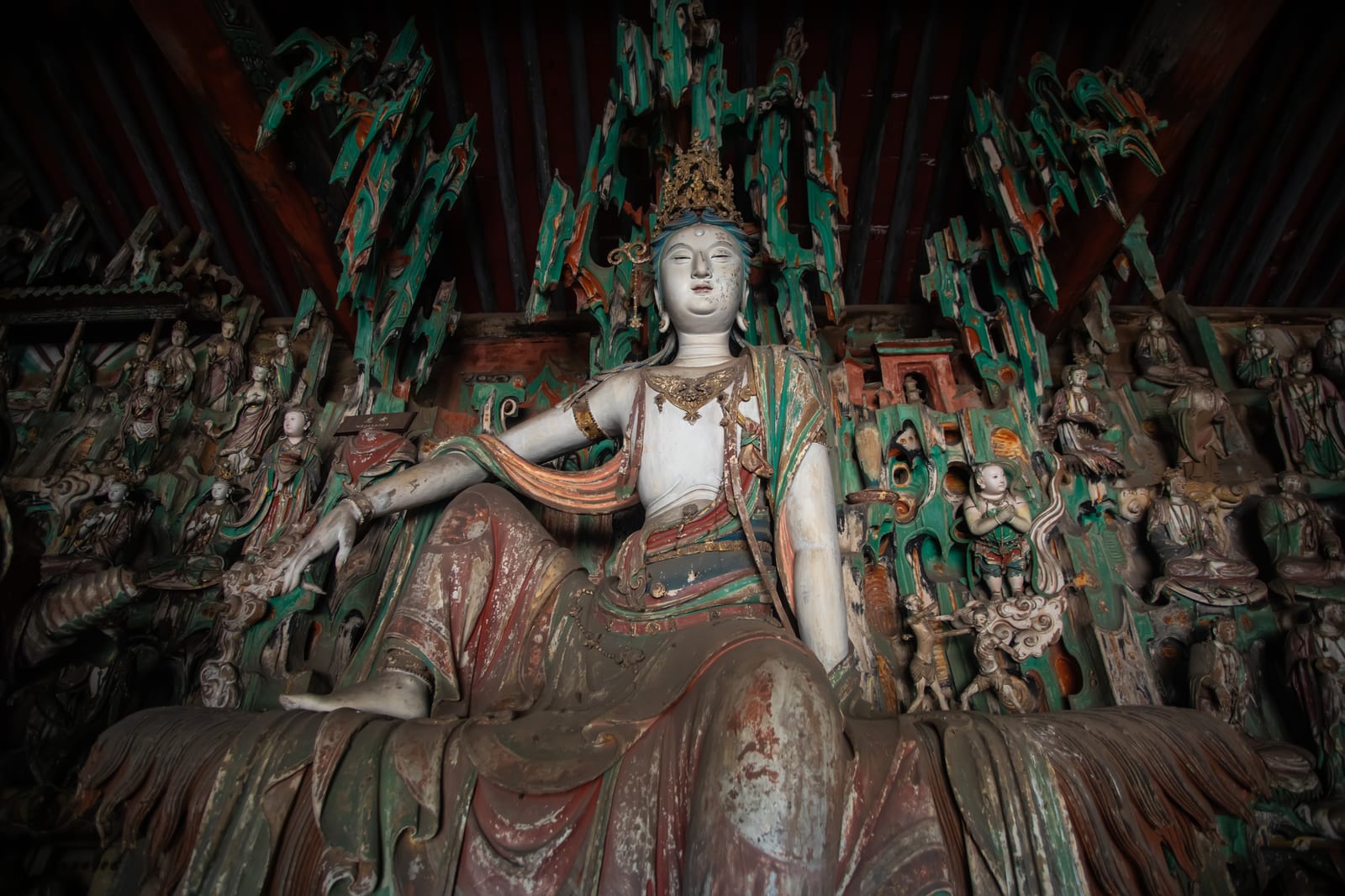
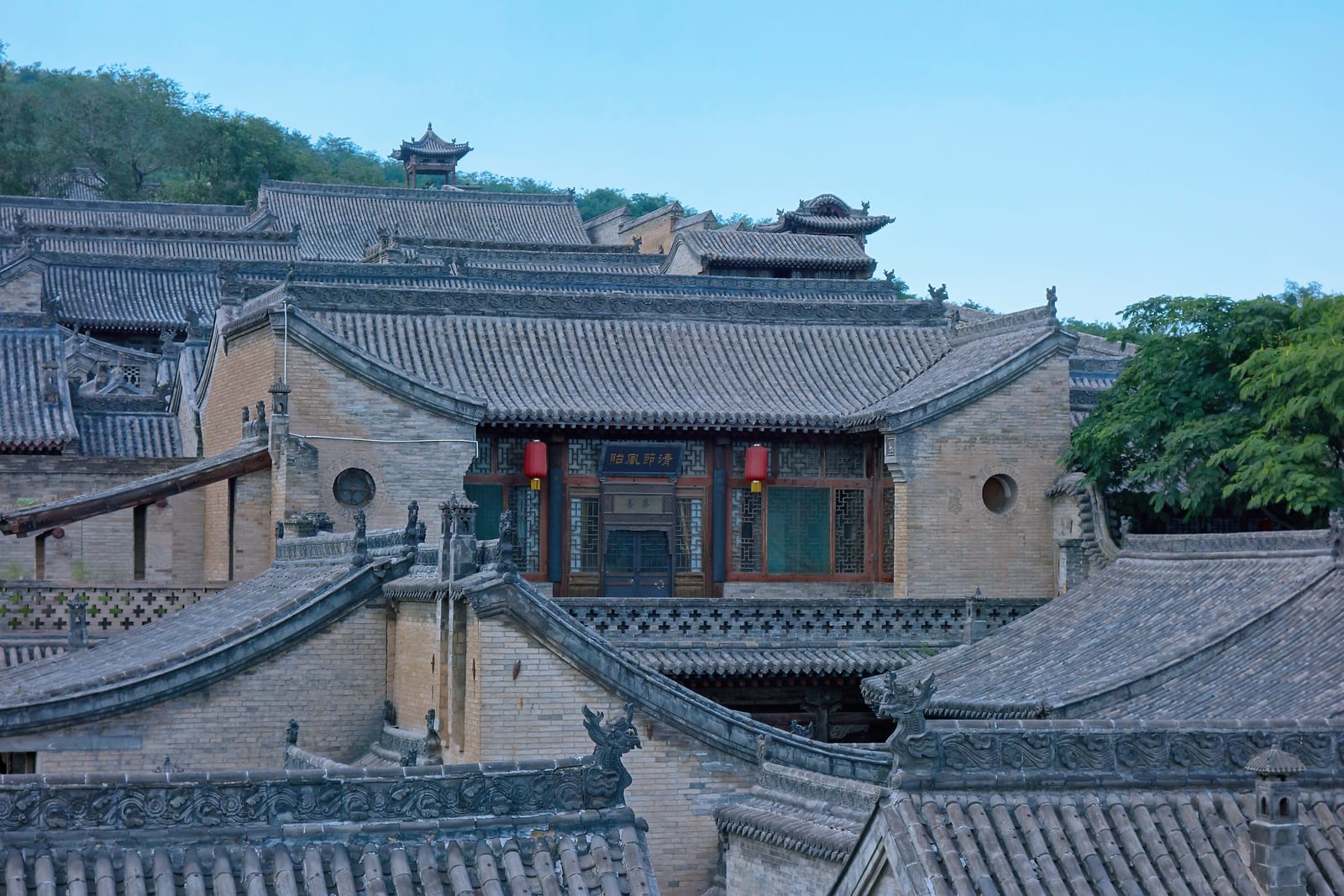
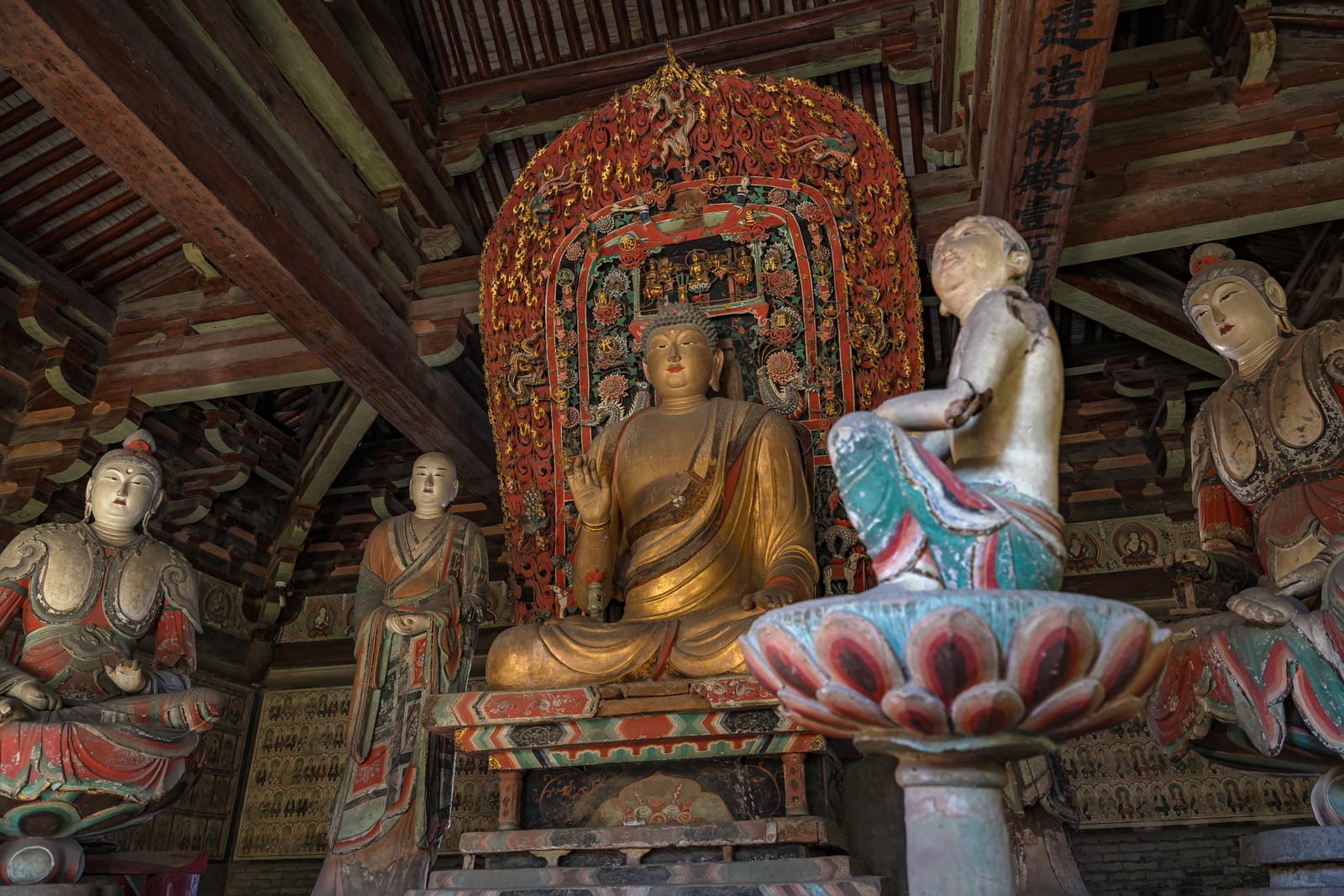
Visit Shuanglin Temple to examine its exceptional ensembles of painted sculpture. Attention is given to gesture, colour, drapery, and the arrangement of figures, revealing how complex sacred narratives were created within relatively intimate halls. This is one of the journey’s closest encounters with the densely layered sculptural aesthetic associated with Black Myth: Wukong. Continue to Zhenguo Temple, focusing on its early timber hall, structural grid, roof system, and bracket sets. Its restrained architectural language provides a revealing contrast with the sculptural abundance of Shuanglin Temple. Later, visit the Wang Family Compound to explore merchant-family organisation, linked courtyards, defensive features, and detailed brick, timber, and stone carving.
Pingyao to Beijing
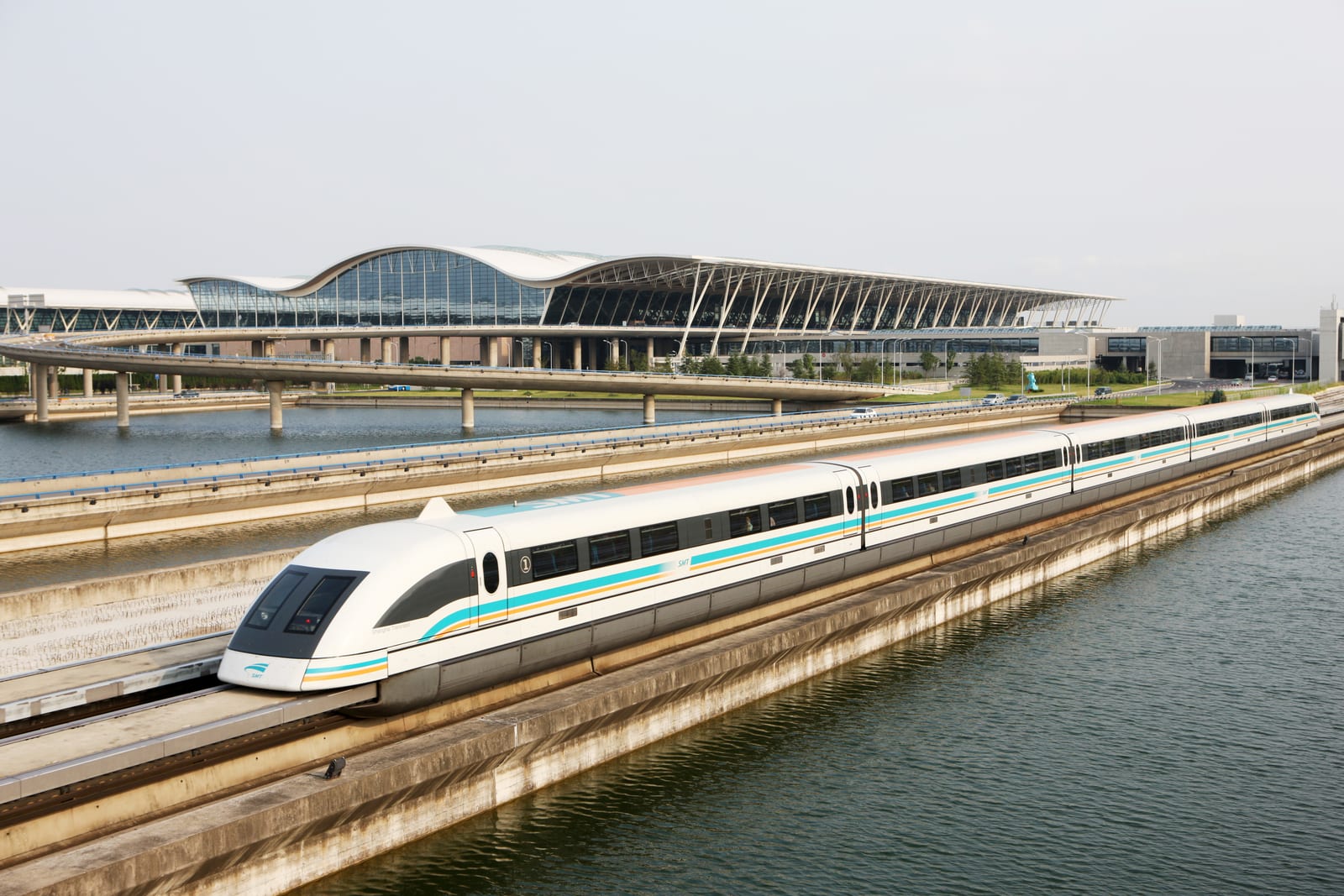
Leave Pingyao and return to Beijing by high-speed rail. After arrival, check in and rest, with no formal sightseeing planned. Returning to Beijing the previous day avoids the uncertainty of connecting separate domestic and international flights and provides a more comfortable buffer before departure.
Departure from Beijing
A private transfer will be arranged to the airport in accordance with the international departure. No sightseeing is scheduled.
What's Included & Excluded
- Hotel Accommodation: based on twin share with western style breakfast
- Guide Service: excellent English-speaking tour guide service
- Vehicle Service: air-conditioning coach with experienced drivers
- Domestic Transportation: Internal Air/high-speed train (Economy Class)
- Entrance fees as per itinerary
- Internet Access:wifi in hotels
- 24/7 On-Call Support
- International Airfare
- Tips for guide and driver
- Personal expenses
- Entry Visa
- Optional Activities
- Payment processing fees
Add-on Options
- Dinner
- If you would like to explore more local cuisine, feel free to ask us-we will be happy to recommend the most authentic and distinctive local dishes.
- Xiaoxitian and the Architectural Heritage of Linfen
- Xiaoxitian is one of the most recognisable heritage sites associated with Black Myth: Wukong, particularly for the extraordinary concentration of Ming painted sculpture within its main hall. A same-day return from Pingyao would involve excessive driving, so the preferred arrangement is to add one night in the Linfen or Xixian area. This extension fits best after Day 8 and would require removing a night elsewhere.
- Specialist Visit to a Traditional Beijing Courtyard
- For travelers with a deeper interest in conservation and domestic architecture, a specialist-led courtyard visit can examine spatial planning, family organisation, and the challenges of preserving historic neighbourhoods. This is best used to replace the general hutong walk on Day 2 rather than added to an already full programme.
Frequently Asked Questions
What is included in this private tour?
Can the itinerary be customized?
Are hotels included?
How do I book this tour?
How can I pay for the tour?
Can meals be customized according to personal needs?
You May Also Like
Ancient Capitals & Kung Fu Culture: Beijing & Henan
A heritage route through Beijing, Luoyang, Dengfeng, and Shaolin Kung Fu culture
Ancient Capitals Discovery: A Heritage Journey Through China's Heartland
A heritage journey through Beijing, Xi'an, Luoyang, Dengfeng, and Shaolin culture
Beijing In-Depth Tour
4 days exploring imperial palaces, ancient hutongs, and the Great Wall
Journey Back to the Ancient Capital: A Historic Tour of Xi’an
A historic Xi’an journey through imperial relics, old streets, and ancient capital culture
Customize this private tour
This is a fully private tour — every route, pace, hotel level and meal can be reshaped around your dates, group size and interests.
Tell us a little and a real China specialist replies within 24 hours. No obligation.
Ready to shape your China trip?