
Planning your trip to China? Before you land in Beijing or Shanghai and share your first travel photo online, there’s one important thing to know: because of China’s internet restrictions, apps like Google, Instagram, and WhatsApp are not accessible by default.
Don’t worry. This guide will show you the most reliable ways to stay connected in China, so you can use the internet almost as smoothly as you do at home.
🏆 Comparison: Find Your Perfect Fit
| eSIM (Most Recommended) | VPN (Preferred for High Traffic) | Home country roaming (simplest) | |
|---|---|---|---|
| Stability | ⭐⭐⭐⭐⭐ | ⭐⭐ | ⭐⭐⭐⭐⭐ |
| Speed Performance | Fast and stable | Varies, often unstable | Generally stable but may have latency |
| Cost-Effectiveness | Moderate | Cheap | Expensive |
| Ease of Use | Easy | Medium | Easy |
| Device Compatibility | Limited (newer devices only) | No restrictions | No restrictions |
Option 1: eSIM (Most Recommended)
Starting from April 2026, China introduced stricter restrictions on VPN services, causing many VPNs to become unstable, slow, or difficult to use. If possible, we strongly recommend using an eSIM instead.
How it works: Most eSIM data plans route traffic through overseas carriers, which allows access to the international internet without relying on a separate VPN.
Recommended providers: We recommend purchasing eSIM plans from platforms such as Trip.com, Airalo, or Yesim, which are generally more stable and reliable for travelers in China.
Step 1: Download Before Arrival
Purchase a data plan through the provider’s website or app.
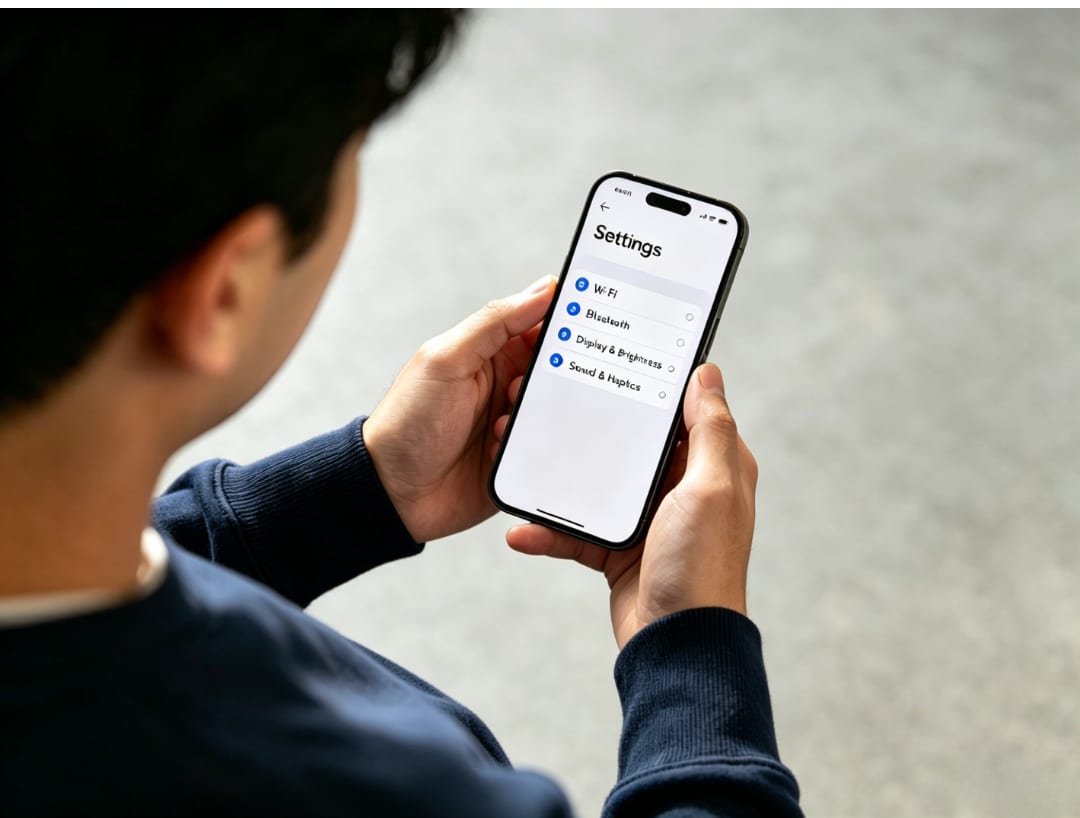
Open the phone settings:
- iPhone users: Settings > Cellular > Add eSIM
- Android Users: Settings > Network & Internet > SIMs > Add eSIM / Mobile Plan
Scan the QR code provided after purchase to install the eSIM.
Note: The QR code is usually sent to your email, so you may need to open it on a computer or another device when scanning it with your phone.
Step 2: Connect on Arrival
- After landing in China, open your phone’s Settings > Cellular / Mobile Data.
- Disable mobile data for your Primary SIM and enable the installed eSIM line.
- Turn on “Data Roaming”.
Step 3: eSIM Troubleshooting
- Make sure Data Roaming is turned on.
- Check that the eSIM is enabled and selected as the default line for Mobile Data.
- Turn off any active VPN connections.
- Try enabling and disabling Airplane Mode, or restart your device.
Important: To avoid connectivity issues, do not purchase an eSIM that only works in mainland China. It is generally safer to choose an Asia regional eSIM or a Hong Kong/Macau + Mainland China eSIM plan.
Advantages and Disadvantages
Stable and relatively affordable
relatively affordable
Only supports newer phone models
Option 2: VPN
Suitable for travelers whose phones do not support eSIM, or for situations where you connect to Wi-Fi in China.
- **How it works: **VPNs route your internet traffic through encrypted servers and mask your IP address, making it appear as if you are browsing from another location outside China.
- Recommended VPNs: Due to ongoing regulatory changes in China and the unstable performance of VPN services, we do not provide specific recommendations here.
Step 1: What to Do Before You Arrive
- **You must download and subscribe before entering China. **Most VPN apps cannot be found in Chinese app stores, and their official websites are usually inaccessible from within China. Therefore, you should install everything while you are still in your home country.
- **Log in and test in advance. **Sign in to the app, purchase a plan, and make sure your account is active and working properly before departure.
- Back up your connection details. Take screenshots of important information such as mirror links or customer support email addresses. If the app stops working or becomes inaccessible after updates or restrictions, you may need these to retrieve updated connection instructions.
Precautions: Be sure to download and install it before entering China! Once you enter the country, many official websites and app store pages will not be directly accessible.
Step 2: Connect on Arrival
- **Connection strategy: **When using Wi-Fi, turn on your VPN immediately after connecting. When using a local SIM card, enable mobile data first and then activate the VPN.
- Split tunneling: Many VPNs offer a Split Tunneling feature. It is recommended to configure it so that only international apps use the VPN, while local apps such as WeChat and Alipay do not, to ensure faster payment and smoother performance.
Advantages and Disadvantages
Secure and reliable
Extremely high price

Option 3: Data Roaming
**How it works: **Your internet traffic is routed through servers in your home country, allowing you to bypass local network restrictions.
Step 1: Set Up International Roaming
- Make sure international roaming is enabled on your phone. You can activate it through your mobile carrier’s app, SMS, or customer service hotline.
- Purchase an international roaming data package or enable pay-as-you-go roaming data through your carrier’s app, SMS, or hotline.
Step 2: Turn On Data Roaming
Enable Data Roaming on your phone:
- **iPhone: **Settings > Cellular > Select Primary SIM > Turn on “Data Roaming”
- Android: Settings > Network & Internet > Mobile Network > Turn on “Data Roaming”
Advantages and Disadvantages
Secure and reliable
Extremely high price
Option 4: Double Protection
Use at least two or more methods for better reliability and backup.
China Internet Access: FAQs
Compliance & Safety
For most foreign travelers, using a VPN on a mobile device for everyday browsing or accessing social media is generally not considered a legal issue in practice. However, since the major regulatory tightening in April 2026, enforcement against unauthorized VPN services has increased, and connection stability has been significantly affected.
Choosing the Right Option
It depends on your usage needs. VPNs are usually cheaper and suitable for high data usage, but they are often unstable. eSIMs are much more stable but slightly more expensive.
The best approach is to combine both. Use eSIM for reliable mobile connectivity while on the move, and switch to Wi-Fi with a VPN in hotels when you need to upload large files or handle heavier online tasks such as video streaming or backups.
Device Compatibility
Below is a reference list of commonly supported international devices:
- Apple (iPhone):
- iPhone 11 series and all newer models (including iPhone 12, 13, 14, 15, and 16 series).
- iPhone SE (2nd generation, 2020) and later models. Please note that the device must be unlocked (not carrier-locked).
- Android Camp:
- Google Pixel 3 / 3 XL and all newer models
- Samsung Galaxy S20 series and later
- Samsung Galaxy Z Fold and Z Flip series (all generations)
- **iPhone: **Go to Settings > Cellular and look for the option “Add eSIM”.
- Android: Go to Settings > Network & Internet > SIMs and check whether you see “Add” or “Download a SIM plan”.
Practical Troubleshooting
Avoid switching VPN servers too frequently. Rapid changes in IP address may trigger security systems in some social apps and lead to temporary restrictions.
If payment services such as Alipay or WeChat Pay fail, it is often because the system detects a foreign IP address. In this case, simply turn off the VPN and the payment process should return to normal speed.
Yes. eSIM supports personal hotspot sharing, and other devices connected to your hotspot, such as phones or laptops, can also access international apps normally.